Shadow of the Gods
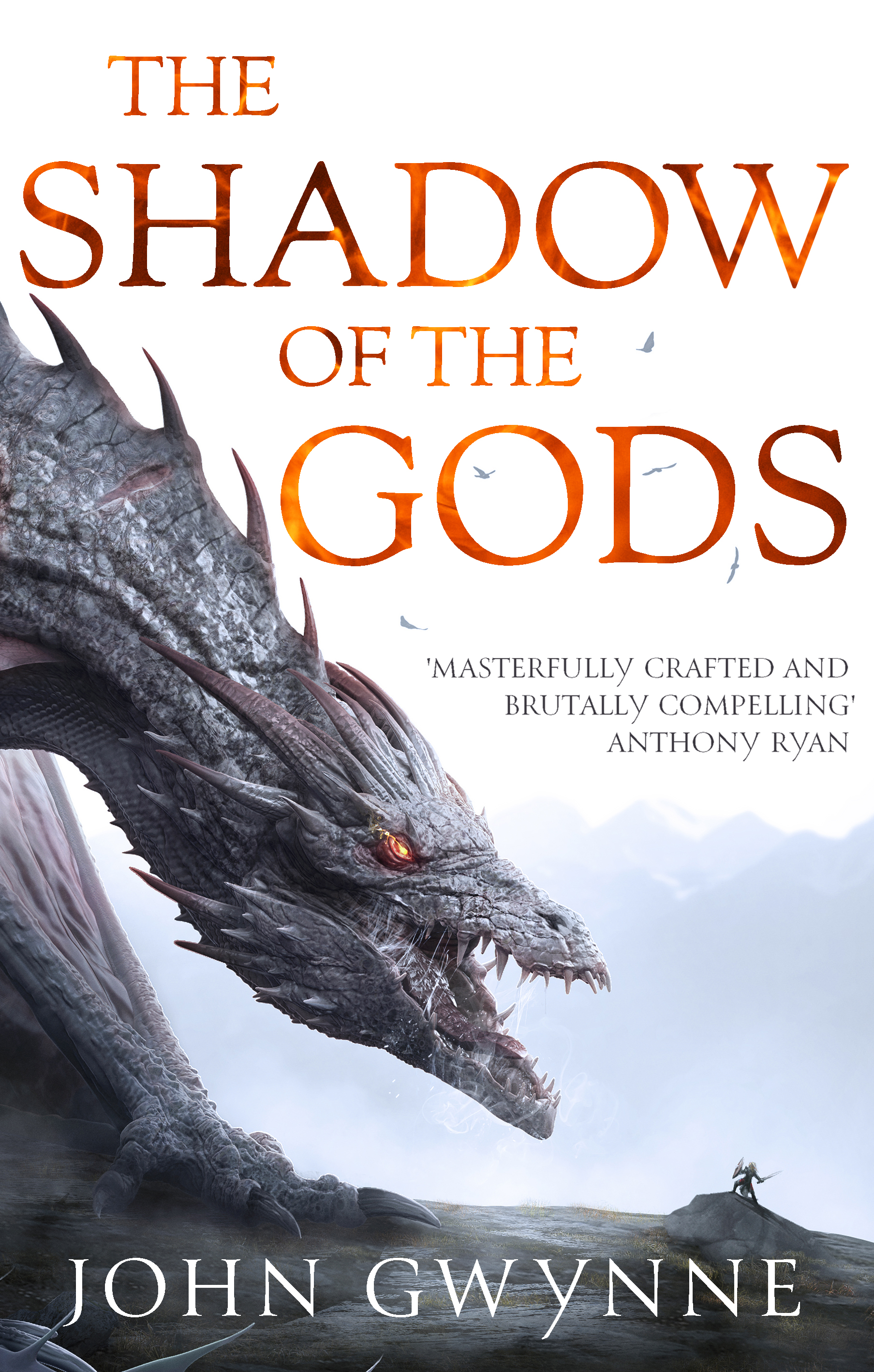
Alright folks, buckle up your war-belts and sharpen your seaxes, because today we’re diving headfirst into the icy, blood-soaked, and utterly epic world of John Gwynne’s The Shadow of the Gods! If you’re a fan of Norse-inspired fantasy that pulls no punches, where ancient grudges echo and new legends are forged in the fires of battle, then grab a horn of mead, because this one is a skál to everything awesome in the genre.
I’ve been a fantasy fanatic for longer than I can remember, and let me tell you, Gwynne has delivered something truly special here. It’s gritty, it’s vast, and it’s got characters you’ll be rooting for (or cursing) with every fiber of your being. So, let’s get into the nitty-gritty of Vigrið, the Battle-Plain where gods once fell and their monstrous shadows still linger.
Warning: Spoilers abound! We’re dissecting this beast, so if you haven’t read it yet, proceed with the caution of a warrior entering a dragon’s lair!
**Plot Synopsis: A Saga of Blood and Ruin **
Okay, deep breath, because a LOT happens in this tome. Gwynne masterfully weaves together three distinct POV storylines that gradually converge, painting a brutal and captivating picture of a world still reeling from a war that literally broke it.
The story is set in Vigrið, a land scarred by the Guðfalla – the gods-fall – nearly three centuries ago. The old gods (think Norse pantheon, but Gwynne’s own epic versions like Snaka the serpent, Orna the eagle, Ulfrir the wolf, and Berser the bear) fought a cataclysmic war that shattered the world and unleashed monstrous creatures called vaesen. Now, their bones litter the landscape, and their Tainted offspring – humans with a touch of god-blood, granting them unique powers – are hunted, enslaved, or walk a dangerous line.
Orka’s Tale: The Mother Bear’s Roar
We first meet Orka, living a seemingly peaceful life as a trapper and homesteader with her husband Thorkel and their young son, Breca. But don’t let the domestic bliss fool you; Orka is a warrior to her core, though she’s tried to leave that life behind. During a hunting trip, they hear screams from a neighboring steading. Investigating, they find Asgrim and his wife Idrun brutally murdered, their son Harek missing, and signs of tennúr (small, vicious vaesen who collect teeth) involvement.
- Tragedy Strikes Early: This sets the tone. No one is safe in Vigrið.
- First Hint of a Larger Threat: The child-stealing isn’t an isolated incident.
Thorkel, the better tracker, goes after Harek’s abductors, while Orka takes the bodies to the nearby village of Fellur. There, Jarl Sigrún’s nephew, Guðvarr, is announcing an Althing (a gathering) where Sigrún will discuss Queen Helka’s rising power. Helka is a formidable southern queen aiming to unite Vigrið, by force if necessary.
Back at their steading, Breca goes missing. Orka and Thorkel find him unharmed, having befriended a wounded tennúr he names Vesli. It’s a brief respite before more turmoil. At the Althing, Jarl Sigrún reveals she has sworn fealty to Queen Helka. A fisherman named Virk challenges Guðvarr’s competence, leading to a holmganga (a ritual duel). Orka, respecting Virk’s courage, agrees to be his second. Virk wins the duel but is then killed by Sigrún’s Tainted Úlfhéðnar (wolf-kin) thrall, Vafri. Orka, enraged, fights Vafri.
The true horror unfolds when Orka returns to her steading. It’s been attacked, their protective Spertus (a vaesen bound to them) is grievously wounded, and Thorkel lies dying. He whispers that dragon-born (thought to be mythical) took Breca. Consumed by grief and rage, Orka begins her vengeance quest. She learns from Skefil, a captured informant in Darl (Helka’s capital), that a man named Drekr is taking Tainted children north to the Grimholt Pass. She is joined by Virk’s sons, Mord and Lif, who seek their own vengeance against Guðvarr. Pursued by Guðvarr and Jarl Sigrún, they head north. Along the way, they encounter two giant, talking ravens caught by frost-spiders. Orka helps them, and later, when ambushed and captured by Skalk (a Galdurman working with her pursuers) at the Grimholt, the ravens, along with Spert and Vesli, stage a dramatic rescue. Mord is killed by Guðvarr during the chaos, but Orka, in a berserk fury, massacres many of their attackers, including Guðvarr’s warriors, though Guðvarr and Skalk escape by boat.
Varg’s Path: The Thrall Who Would Be Wolf
Varg’s story starts with him as a thrall, fleeing the farm of his cruel master Kolskegg, whom he has (unwittingly, in a red rage) killed. He’s seeking a Galdurman (rune-mage) or Seiðr-witch (sorceress) to perform an akáll – a ritual to see the last moments of a life – to find out who murdered his sister, Frøya. He reaches the port town of Liga and, to gain access to the Bloodsworn’s Seiðr-witch, Vol, he enters a trial by combat against the formidable Einar Half-Troll.
- A Desperate Bid: Varg’s initial goal is purely personal vengeance.
- The Price of Entry: The Bloodsworn are a mercenary company of Tainted warriors, led by Glornir Shield-Breaker. Joining them is no easy feat.
Varg loses to Einar but impresses them with his ferocity (he bites Einar!). He’s taken in and begins training under the harsh tutelage of Røkia. Soon, Queen Helka hires the Bloodsworn to investigate vaesen killings in her northern territories. Skalk, Helka’s Galdurman, and his guards Olvir and Yrsa, accompany them.
Their journey takes them into the Boneback Mountains. They discover a massacre site: Helka’s drengrs (elite warriors) gruesomely displayed, with a “Forbidden Ground” rune carved on them. This discovery reveals Skalk’s deceit; he knew Helka had already sent a party. They track the culprits to Rotta’s Chamber, an ancient, accursed site. Here, they battle trolls, skraelings (ape-like vaesen), and a Dragon-born warrior wielding Orna’s Talon (a god-relic). Varg, in a desperate fight, manages to kill the Dragon-born but is gravely wounded.
The aftermath is brutal. Skalk betrays the Bloodsworn, murdering Varg’s new friend, the young scout Torvik, and kidnapping Vol. It’s then revealed to Varg that all Bloodsworn are Tainted, and he himself is an Úlfhéðnar. Glornir, it turns out, is Vol’s lover and a Berserkir (bear-kin). Filled with new purpose and a desire to avenge Torvik and rescue Vol, Varg officially swears the Bloodsworn oath. They pursue Skalk towards the Grimholt.
Elvar’s Journey: The Shieldmaiden’s Ambition
Elvar is a young, ambitious warrior in Agnar’s Battle-Grim, another Tainted mercenary company. Their current mission is to capture Berak, a Berserkir, on Iskalt Island. They succeed, fighting a troll in the process, and discover Berak’s wife, Uspa, is a powerful Seiðr-witch, and they have a son, Bjarn. During their sea journey, they’re attacked by a Sjávarorm (sea serpent). Elvar courageously saves Bjarn from the water, and Uspa uses her powers to repel the beast.
They travel to Snakavik, the fortress built within the colossal skull of the dead god Snaka. Snakavik is ruled by Jarl Störr, Elvar’s estranged father. Störr wants Elvar to return and marry Queen Helka’s son for a political alliance. Elvar, who fled Snakavik to escape this fate and earn her own battle-fame, consults Hrung, an ancient, sentient giant’s head kept by her father.
- A Tangled Web of Kin: Elvar’s past is directly tied to the major political players.
- The Allure of Legend: Oskutreð, the great Ash Tree at the heart of the gods-fall, becomes a central focus.
Their stay in Snakavik is cut short when Ilska the Cruel and her Raven-Feeders (another mercenary band) attack, kidnapping Bjarn. Uspa reveals she knows the way to the mythical Oskutreð, having memorized the Graskinna (a Galdrabok, or magic book) before destroying it. She offers to lead Agnar there if he helps rescue Bjarn. Agnar, Elvar, Grend (Elvar’s loyal guardian), Sighvat (Agnar’s burly second), and Kráka (the Battle-Grim’s Tainted thrall) swear a blóð svarið (blood oath) to this quest.
Their perilous journey north takes them across the magical Isbrún Bridge (Ice Bridge) over the vaesen pit (a river of fire). They are ambushed by a swarm of tennúr; Grend is gravely injured protecting Elvar. They finally reach the desolated plain of Oskutreð, where the great Ash Tree is now a colossal, burned stump. They meet Vörn, the Froa-spirit guardian of Oskutreð.
The Raven-Feeders, led by Ilska, arrive. It’s revealed that Ilska and her kin are Dragon-born. A holmganga is declared: Agnar versus Ilska’s brother, Skrið (also Dragon-born). Agnar wins a brutal fight but is mortally wounded. Biórr, a seemingly loyal Battle-Grim warrior, then betrays and kills Agnar. He reveals he is Tainted (Rotta-kin, rat-kin) and allied with Ilska, freeing Kráka and Ilmur (the Battle-Grim’s Hundur-thrall) from their thrall-collars.
- Betrayal Cuts Deep: Biórr’s turn is a gut-punch.
- The Dragon Awakens: Ilska uses the captive children, including Bjarn, in a dark ritual to open a great door in Oskutreð’s stump.
From the depths, Lik-Rifa, the ancient dragon-god, emerges, along with three winged Valkyrie-like warriors who battle her. Lik-Rifa, emaciated but terrifying, kills two of the Valkyries. The third, wounded, is slain by Ilska and Drekr (revealed to be Ilska’s other brother). Lik-Rifa, after feasting on a horse, transforms into a giant humanoid form, declares her intent to reclaim her world, and flies south, with Ilska and her remaining forces (and the children) following. Elvar and the surviving Battle-Grim are left shocked and devastated on the plain of Oskutreð.
The Convergence (End of Book One):
The book ends with Orka, having wreaked havoc at the Grimholt, being told by Skalk (who she assumes is her enemy but is fleeing the Bloodsworn) that Drekr is not there. As she stands amidst the carnage, Glornir and the Bloodsworn arrive. Glornir recognizes Orka as “Orka Skullsplitter” (his long-lost sister, though this isn’t explicitly stated to Varg yet). Orka reveals Thorkel (Glornir’s brother) is dead and Breca (her son, Glornir’s nephew) is taken. This powerful, grief-stricken meeting between two formidable Tainted warriors sets the stage for an explosive alliance in the next book. Elvar, meanwhile, is left to pick up the pieces of the Battle-Grim and grapple with the world-altering return of a god.
Phew! What a ride, right? Gwynne packs SO much into this first volume, and every thread is compelling.
Character Analysis: Heroes, Monsters, and Those In-Between
Gwynne’s strength truly lies in his characters. They feel real, they bleed, they make mistakes, and you can’t help but get invested.
- Orka: Oh, Orka. My heart bleeds for her. She starts as a loving mother and wife trying to suppress a violent past, but when her world is shattered, the warrior within awakens with terrifying force. Her grief and rage are palpable, making her an incredibly compelling, if brutal, protagonist.
- Motivation: Protecting and avenging her family.
- Flaws: Her rage can be all-consuming, sometimes clouding her judgment.
- Strengths: Unmatched ferocity, unwavering determination, deep love.
- Varg: Varg’s journey is one of self-discovery. From a beaten-down thrall with a singular focus on avenging his sister, he’s thrust into a world of Tainted warriors and discovers his own Úlfhéðnar nature. He’s naive at first but learns quickly, and his developing camaraderie with the Bloodsworn, especially Torvik, is genuinely touching.
- Motivation: Avenging Frøya, finding his place.
- Flaws: Initial naivety, haunted by his past, the “red mist” of his berserker rage.
- Strengths: Resilience, loyalty, burgeoning courage, surprising combat prowess.
- Elvar: Elvar is driven by ambition and a desire to escape her father’s (Jarl Störr’s) control. She wants to carve out her own legend. She’s skilled and brave but also struggles with her loyalties and the cost of her ambition. Her storyline takes a massive turn with the Oskutreð revelations.
- Motivation: Battle-fame, independence, proving herself.
- Flaws: Can be prideful, sometimes reckless, her relationship with Biórr shows a vulnerability that gets exploited.
- Strengths: Excellent warrior, determined, ultimately loyal to her chosen “kin.”
- Key Supporting Characters:
- Thorkel: Orka’s kind, strong husband. His death is a huge catalyst.
- Glornir Shield-Breaker: The stoic, honourable leader of the Bloodsworn. His Berserkir nature and connection to Orka add layers.
- Agnar Battle-Grim: Charismatic leader of the Battle-Grim. His death is a shocking turning point for Elvar’s arc.
- Svik & Røkia (Bloodsworn): Provide Varg with guidance, mentorship, and much-needed comic relief (Svik) and tough love (Røkia). Their Tainted natures (fox and wolf, respectively) are cool reveals.
- Grend: Elvar’s steadfast, gruff protector. Their bond is a highlight.
- Uspa: A powerful Seiðr-witch driven by maternal love. Her knowledge is key to the Oskutreð plotline.
- Ilska the Cruel & Drekr: The primary antagonists (so far) for Elvar and Orka, respectively. Revealed to be Dragon-born, they are formidable and ruthless.
- Skalk: Helka’s Galdurman, initially an ally to the Bloodsworn, then a betrayer. His motivations are still murky.
- Biórr: His betrayal of the Battle-Grim is a heartbreaker, revealing the hidden depths of the Tainted struggle.
The relationships are complex and feel earned. Orka’s love for her family, Varg’s bond with Torvik, Elvar’s connection with Grend and her ill-fated romance with Biórr – all hit hard.
**Thematic Resonance: Echoes of a Broken World **
This isn’t just axe-swinging and monster-slaying (though there’s plenty of awesome action!). The Shadow of the Gods delves into some hefty themes:
- Vengeance: This is a huge one. Orka’s quest is almost purely driven by it, and Varg’s initial motivations are the same. The book explores the consuming nature of revenge and its costs.
- Family and Kinship: What makes a family? Is it blood, or bonds forged in shared hardship and loyalty? Orka fights for her blood kin, while Varg and Elvar find new families in their respective warbands. The Tainted also have their own hidden kinship.
- Legacy of the Gods: The gods may be dead, but their influence is everywhere – in the Tainted bloodlines, the magical relics, the vaesen, and the very geography of Vigrið. Characters grapple with these inherited legacies, whether they want to or not.
- The Nature of Monsters: Who are the real monsters? The grotesque vaesen? The hunted Tainted? Or the “normal” humans driven by greed, ambition, and cruelty? Gwynne blurs these lines effectively. vs.
- Power and Its Corruption: The pursuit of power, whether by Queen Helka seeking to unite the land or Ilska seeking to unleash an ancient god, is a corrupting force. The power of god-relics is also shown to be incredibly dangerous.
- Betrayal: From Skalk’s treachery to Biórr’s devastating betrayal of the Battle-Grim, trust is a fragile commodity in Vigrið.
- Freedom vs. Servitude: Varg’s journey from thrall to (Tainted) warrior is central. The plight of Tainted thralls like Vol, Vafri, Kráka, and Ilmur highlights the brutal social structures.
These themes are woven seamlessly into the narrative, giving the story depth and making the characters’ struggles resonate.
**World-Building Deep Dive: Welcome to Vigrið **
Gwynne has crafted a world that feels ancient, dangerous, and utterly captivating.
- History: The central event is the Guðfalla, the gods-fall. This cataclysmic war between the gods (Snaka, Orna, Ulfrir, Berser, Lik-Rifa, Rotta, etc.) shattered the world, created the vaesen pit, and led to the vaesen overrunning the land. The aftermath is a fragmented world where the memory of the gods is both a curse and a source of power.
- Geography: Vigrið, the Battle-Plain, is a vast, Norse-inspired land of fjords, mountains (like the Boneback Mountains), and forests. Key locations include:
- Liga & Fellur: Coastal towns.
- Darl: Queen Helka’s fortress, built around Orna’s skeleton.
- Snakavik: Jarl Störr’s fortress, built within Snaka’s colossal skull.
- Grimholt Pass: A fortified pass through the Boneback Mountains.
- Oskutreð: The mythical Ash Tree, site of a major god-battle and Lik-Rifa’s prison.
- Gallows Wood: A forest filled with the ancient, blood-eagled corpses of Lik-Rifa’s kin.
- Vaesen Pit & Eldrafell: A chasm of fire and a fire mountain, linked to the gods’ fall.
- Political Systems: Jarls rule over fragmented territories. Larger powers like Queen Helka and Jarl Störr are vying for dominance, often through alliances or conquest. Mercenary warbands like the Bloodsworn and Battle-Grim play significant roles.
- Social Structures: A clear hierarchy exists, with freedmen, thralls, and the Tainted. Tainted individuals are often feared, hunted, or enslaved using thrall-collars forged with remnants of Ulfrir’s chain. These collars can be controlled by Galdur-magic.
- Magic Systems:
- Galdur: A learned form of rune-magic, practiced by Galdurmen like Skalk. Can create fire, control thrall-collars, etc.
- Seiðr: An innate magic tied to Tainted bloodlines, practiced by Seiðr-witches like Vol and Uspa. Can involve foresight, healing, influencing creatures, or potent offensive magic.
- Akáll: A ritual, likely Seiðr-based, to see the past moments of a life.
- God-Relics: Bones or artifacts of the dead gods (e.g., Orna’s Talon, slivers of the Vackna Horn) still hold immense power.
- Oaths: Powerful, binding magic, like the blóð svarið.
- Unique Species/Cultures:
- Vaesen: A diverse array of monstrous creatures (tennúr, trolls, skraelings, Spertus, Näcken, frost-spiders, Sjávarorm). Some, like Spert and Vesli, can even be reasoned with or form bonds.
- Tainted: Humans with god-blood, granting them specific traits/abilities:
- Berserkir: Bear-kin, incredible strength and rage (Glornir, Berak).
- Úlfhéðnar: Wolf-kin, enhanced senses, ferocity (Varg, Røkia, Vafri).
- Hundur-kin: Hound-kin, exceptional trackers (Edel, Ilmur).
- Dragon-born: Thought mythical, children of Lik-Rifa, possessing immense power (Ilska, Drekr, Skrið).
- Rotta-kin: Rat-kin, cunning, perhaps deceitful (Biórr).
- Froa-spirits: Nature spirits bound to Ash Trees (Vörn, Aska).
- Giant Talking Ravens: Yep, they exist, and they’re awesome!
- Hrung: The ancient, talking head of a giant.
The world feels lived-in and dangerous, with a rich history that directly impacts the present.
**Genre Context & Comparisons: Finding Its Place in the Shield Wall **
The Shadow of the Gods sits comfortably in the modern epic fantasy tradition, with strong grimdark undertones, but it carves out its own distinct niche.
- Norse-Inspired Fantasy: This is its most obvious identifier. It evokes the sagas, the brutal beauty of Scandinavian landscapes, and the raw power of Norse mythology. Think Vikings (the TV show) meets high fantasy.
- Comparisons:
- Joe Abercrombie (The First Law): Shares the gritty realism, morally grey characters (though Gwynne’s protagonists often have clearer heroic leanings), and visceral combat. Gwynne’s world might be even more overtly fantastical with its vaesen and god-lore.
- Mark Lawrence (Broken Empire/Red Queen’s War): There’s a similar sense of a broken world and characters shaped by trauma. However, Gwynne’s tone is generally less nihilistic and more focused on themes of loyalty and found family, even amidst the brutality.
- George R.R. Martin (A Song of Ice and Fire): The epic scope, multiple POVs, and political machinations bear some resemblance, though Gwynne’s focus is more on warrior cultures and ancient myths than intricate courtly intrigue.
- God of War (PS4/5): While a different medium, the recent God of War games share that reimagined, visceral take on Norse mythology, and fans of Kratos’s adventures in the Nine Realms will find a lot to love here.
- Originality vs. Tropes: Gwynne uses familiar fantasy tropes (quests, ancient evils, chosen ones – though the “chosen” aspect is subverted or complicated) but imbues them with a fresh, Norse-flavored intensity. The Tainted system and the nature of the vaesen feel unique. He’s not afraid to kill characters, but it always serves the story. The “gods are dead, but not really” angle is handled exceptionally well.
This book stands tall among its grim-and-gritty brethren but offers a distinct flavor that’s all its own.
**Influences & Inspirations: Whispers from the Past **
It’s pretty clear where Gwynne draws a lot of his inspiration, and he even mentions some in his acknowledgements!
- Norse Mythology: Undeniably the biggest influence. Ragnarok, the death of the gods, specific god-archetypes (serpent, eagle, wolf, bear), and creatures like trolls and sea serpents are all foundational. The concept of Vigrið as the battle-plain where the gods fell is straight out of myth.
- Viking Sagas & History: The warrior ethos, the importance of battle-fame, the shield wall tactics, the seafaring culture, and the brutal realities of combat all scream Viking Age. Gwynne’s own involvement in Viking reenactment undoubtedly lends authenticity to these aspects.
- Beowulf: Gwynne cites this as an early inspiration. The heroic, monster-slaying epic with a dark, fatalistic undercurrent certainly resonates with the tone and themes of The Shadow of the Gods.
- Epic Fantasy Tradition: While drawing heavily on Norse sources, Gwynne is also clearly a student of epic fantasy, employing multiple POVs, grand quests, and world-altering stakes.
The blending of these influences creates a world that feels both familiar in its mythic roots and excitingly new in its execution.
**Key Takeaways **
If you’re walking away from Vigrið with your head still on your shoulders, here are a few things to remember:
- Vengeance is a consuming fire, but family (blood or chosen) is the spark that kindles the greatest strength.
- The legacy of the past (especially dead gods) is never truly dead; it shapes the present in bloody and unexpected ways.
- In a world of monsters and men, the lines often blur. True monstrosity can wear a human face, and even vaesen can show loyalty.
- Oaths and loyalty are paramount, but betrayal often comes from the most unexpected quarters.
- Battle-fame is a siren song, but the price of legend can be devastatingly high.
- Even in the darkest, most brutal world, flickers of hope, friendship, and even love can ignite.
- Never underestimate a mother whose child has been taken. Seriously. Just don’t.
**Wrapping It Up **
Whew! What an absolute beast of a book! The Shadow of the Gods is a thunderous opening to what promises to be an unforgettable saga. John Gwynne has taken his already impressive storytelling to a whole new level here. The world is brutal but breathtaking, the characters are flawed but fiercely compelling, and the action is bone-jarringly intense.
If you love your fantasy with a heavy dose of Norse grit, epic battles, terrifying monsters, and characters who will claw their way into your heart (sometimes literally), then you need to read this. It’s a saga in the truest sense of the word, and I, for one, am desperately waiting to see where the blood-soaked paths of Orka, Varg, and Elvar lead next. The ending leaves you breathless and clamoring for more.
Highly, highly recommended! Go forth and enter the shadow of the gods… if you dare!