The Fury of The Gods
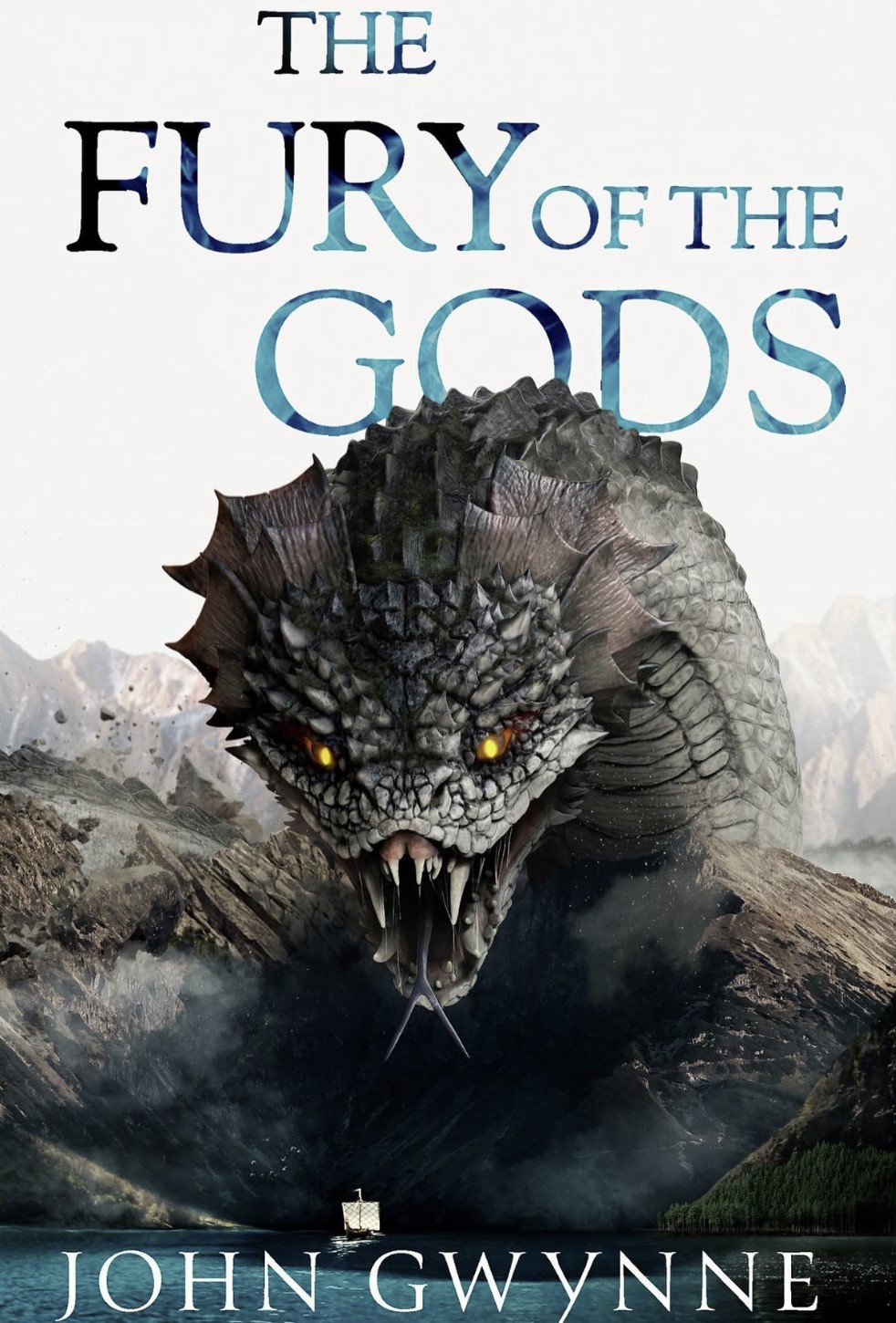
Alright, shield-brothers and battle-sisters! Strap on your helms, sharpen your axes, and pour a horn of mead, because we’re diving deep into John Gwynne’s The Fury of the Gods, the earth-shattering finale to The Bloodsworn Saga. If you thought the first two books were intense, you ain’t seen nothing yet! This is the Guðfalla turned up to eleven, and Gwynne does not pull his punches. So, grab your fyrd, because we’re marching into spoiler territory! ⚔️
Plot Synopsis: The Gods Unleashed! (Full Spoilers, You’ve Been Warned!)
Okay, so where do we even begin after the cataclysmic events of The Hunger of the Gods? Let’s break it down by our main POVs because, trust me, a LOT goes down.
Varg No-Sense & The Bloodsworn: Our boy Varg starts the book getting stitched up by Røkia (again!) after the battle at Valdai. The big emotional beat for him early on is finally getting that akáll for his sister, Frøya. And man, it’s brutal. He witnesses her horrific death at the hands of Brák Trolls-Bane, and if Varg wasn’t already on a path of grim determination, this cements it. Vengeance becomes a burning fire.
The Bloodsworn, with Vol rescued from Prince Jaromir (who gets a rather messy end courtesy of Vol’s power), learn from Orka’s messenger, Vesli the tennúr, that Elvar Fire-Fist wants to hire them to slay Lik-Rifa. This is a no-brainer for Glornir, whose brother Thorkel was slain by Lik-Rifa’s kin, and for Vol, whose sister Uspa is with Elvar and whose nephew Bjarn is Lik-Rifa’s captive. So, it’s off to Vigrið they go!
Their journey isn’t smooth sailing (literally). They’re pursued by Rurik, Jaromir’s equally charming brother, and his fleet. A nasty encounter with some tongue-eater parasites on an island (where they rescue Einar Half-Troll and Æsa, who were left behind to heal) is just a warm-up. Eventually, Rurik’s ships catch up, leading to a massive sea battle. The Bloodsworn, now joined by Sulich and his Tainted kin from Iskidan (who choose freedom with the Bloodsworn over an uncertain fate), manage to fight off Rurik’s forces, with some epic Seiðr-magic from Vol and Iva (Jaromir’s former Seiðr-witch, now freed and allied with them).
They finally land in Vigrið and make their way to Wolfdales, Ulfrir’s ancient den, where Elvar has gathered her forces. Varg’s integration into the Bloodsworn culminates in him taking the blood oath, officially becoming one of them – a powerful, emotional moment. During the subsequent battles against Lik-Rifa’s forces, Einar Half-Troll, a beloved gentle giant of the Bloodsworn, is tragically killed by Brák Trolls-Bane. This fuels Varg’s rage, and in a climactic showdown, Varg finally confronts and brutally kills Brák, avenging Frøya and Einar. In the cataclysmic final battle and the destruction of Wolfdales, Varg is among the survivors. The book ends with Varg, now a respected voice among the Bloodsworn, proposing they make Orka’s old steading their new home, a place for peace and rebuilding, and it seems Røkia is keen on starting a family with him there.
Orka Skullsplitter: Orka begins captured by Rotta the rat-god, who’s looking mighty peeved after Spert’s pestilence-vomit facial. Myrk Sharp-Claw, Ilska’s sister, also wants Orka’s head for taking her eye. Things look grim, but this is Orka we’re talking about! Breca, along with Lif, Halja Flat-Nose, Gunnar Prow, and Sæunn (the Hundur-thrall Orka freed), stages a daring rescue during an attack by Jarl Orlyg’s Tainted warriors (who are themselves escaping Lik-Rifa’s destruction of Svelgarth).
Orka and her small crew escape with Orlyg on his longship. They’re sailing for Snakavik, hoping to join Elvar and the Bloodsworn. Orka reveals to Orlyg that Ulfrir the wolf-god is with Elvar, thralled. During their voyage, they rendezvous with the Bloodsworn after the sea battle against Rurik. Reunited, Orka learns that Glornir and the Bloodsworn are indeed heading to Wolfdales.
At Wolfdales, Orka is instrumental in the fighting. When Lik-Rifa’s forces launch their massive assault, Orka is in the thick of it. The emotional core of her arc in this book is avenging Thorkel. She finally confronts Drekr, Thorkel’s murderer and Breca’s abductor. In a vicious, personal fight, Orka, with Breca symbolically participating, kills Drekr, using his own seaxes (which Myrk had taunted her with) and frost-spider venom. During the final confrontation with Lik-Rifa, Orka, alongside Glornir, manages to climb onto the dragon and inflict grievous wounds, severing part of her jaw before being thrown off. She witnesses Glornir’s death in the aftermath. When Wolfdales collapses due to Snaka’s destructive return, Orka and Breca are among those who escape, eventually joining the other survivors at her old, ruined steading, which becomes the Bloodsworn’s new home.
Elvar Fire-Fist: Now Jarl of Snakavik, Elvar is grappling with leadership and the looming threat of Lik-Rifa. A major personal crisis hits when Hjalmar Peacemaker reveals that Grend, her mentor and father figure, is Tainted with Hundur-blood and has deceived her for years. This rocks Elvar, forcing her to confront her trust issues and her father’s ruthless teachings.
Hearing of Darl’s destruction by Lik-Rifa and Helka’s death, Elvar decides Ulfrir’s den, Wolfdales in the Jarnvidr (Iron Wood), is a more defensible position. She moves her growing war-host there. In a pivotal, world-changing moment, Elvar, influenced by Uspa and her own evolving understanding of justice, makes the radical decision to set Ulfrir free from his thrall-collar. Ulfrir, in turn, swears a new, powerful blood oath to protect all people, Tainted and untainted alike, and to uphold justice. Elvar then extends this freedom to all Tainted under her command, including her Berserkir and those of her allied jarls like Orlyg. This act of “Elvar Chainbreaker” earns her immense loyalty but also creates new tensions. She reconciles with Grend, understanding his past oath to her mother.
Lik-Rifa’s forces eventually assault Wolfdales. During the siege, Elvar is betrayed. Her brother, Broðir (who, it’s implied, is manipulated by Rotta or his agents like Silrið), along with Runa Red-Axe and Silrið (her father’s former Galdurwoman), attempts to assassinate her. While Broðir’s initial attempt fails (Orka throws an axe into his back), and Runa is captured and hanged, the plot continues. In the chaos of the final battle, Rotta, seeking to gain control over Ulfrir (as power would pass to Broðir if Elvar died), manages to reach Elvar in her chambers. Elvar fights bravely but is ultimately killed by Rotta. Her death is a devastating blow to her followers and a crucial turning point in the battle.
Biórr: Biórr is with Lik-Rifa and Rotta. He’s deeply affected by Myrk’s death at Orka’s hands and carries her body back to her siblings. He witnesses the dragon-god’s cruelty and the rat-god’s cunning manipulations. He marches with their war-host on Wolfdales. Doubts about their cause and Elvar’s supposed tyranny gnaw at him, especially after Orka’s words about gods not caring for mortals.
During the final assault on Wolfdales, Rotta tasks Biórr with assassinating Elvar, promising him glory. Biórr, conflicted but still believing Elvar is a threat to Tainted freedom, confronts her in her chambers. Sólín Spittle dies defending Elvar. Biórr fights Elvar, who reveals she has freed Ulfrir and all Tainted. This revelation shatters Biórr’s conviction. Before he can fully process it, Rotta intervenes and fatally wounds Elvar. Biórr, horrified, tries to stop Rotta but is too late. In the ensuing chaos, Biórr kills Gunnar Prow (who was seeking vengeance for Revna Hare-Legs, whom Biórr had killed). Disillusioned and heartbroken, Biórr decides he’s done with the gods’ wars. He finds Bjarn (Uspa’s son) and, with Red Fain and the remaining Tainted children they were protecting, chooses to leave the battlefield, his final act being to take Bjarn to Uspa, fulfilling a form of redemption.
Guðvarr: Guðvarr, ever the opportunist, serves Lik-Rifa alongside his aunt, Jarl Sigrún. They are sent to hunt Estrid Helkasdottir (Helka’s daughter) and Skalk the Galdurman, who have fled Darl. Their pursuit leads them into the Jarnvidr, where they encounter hostile faunir. They eventually meet Estrid and Skalk, who, instead of fighting, offer an alliance with Lik-Rifa, providing intelligence about Elvar having thralled Ulfrir.
Guðvarr participates in the assault on Wolfdales. During the battle, his shield wall is broken by Taras the Bull and Berserkir. In the chaos, Guðvarr, ever self-serving, kills the wounded Estrid. He later confronts Lif, who seeks vengeance for his brother Mord (whom Guðvarr had killed). Lif, now a competent warrior, bests Guðvarr, but Guðvarr is saved when a frost-spider attacks Lif. Guðvarr, true to form, seizes the opportunity to flee the immediate fight. He witneses the cataclysm of Snaka’s return and the destruction. After the final battle, with Sigrún wounded, Guðvarr decides he’s had enough of war and carries his aunt away from the battlefield, intending to return to Fellur village. His story ends with him abandoning the grand stage of gods and wars for a simpler (and hopefully safer) life.
The Climax - Gods Fall, Again: The final battle at Wolfdales is an absolute meatgrinder. Elvar’s forces are pushed back. Lik-Rifa, unable to breach Wolfdales’ magically reinforced gates initially, destroys Elvar’s fleet in a fit of rage. The betrayal plot unfolds, leading to Elvar’s death at Rotta’s hand. This seems like a victory for Lik-Rifa’s side.
However, Ulfrir, now free, is a major threat. Lik-Rifa and Rotta, in a desperate and heinous act, resurrect Snaka, the father of the gods – not to fight for them, but to kill him again and consume his heart for ultimate power. They succeed in killing Snaka (Rotta poisons the ceremonial food/drink). Just as Rotta is about to consume Snaka’s heart, Vesli the tennúr, in a surprisingly pivotal moment, snatches the heart away.
This throws everything into chaos. Ulfrir, enraged by the desecration and his father’s second death, fights Lik-Rifa in a titanic duel. The Gelta (the Froa-spirit of Wolfdales’ great tree, awakened by Ulfrir) initially binds Lik-Rifa, but Rotta’s magic burns the tree and the Froa, freeing the dragon. Skuld, Ulfrir’s daughter, in a moment of heroic sacrifice, blinds one of Lik-Rifa’s eyes with her mother’s silver scissors before being swatted away. Orka and Glornir manage to badly wound Lik-Rifa’s jaw. Glornir is killed protecting Orka from a retaliatory blow. The battle seems lost.
Then, in a final, desperate gambit, Hrung (the giant severed head, Elvar’s counselor) is hurled into Lik-Rifa’s maw by Taras. Hrung, as he revealed to Elvar, had killed Snaka the first time by poisoning himself. He does it again, and the poison finally brings down the mighty dragon-god Lik-Rifa.
In the aftermath, Wolfdales collapses as Snaka’s true, colossal form, disturbed from its centuries-long rest beneath the mountains by Lik-Rifa’s earlier destructive rampage and his own brief reanimation, begins to stir and rise, reshaping the landscape of Vigrið. Rotta, having lost Snaka’s heart and with Lik-Rifa dead, manages to escape in the cataclysm. The survivors of Elvar’s and Ulfrir’s forces, including the Bloodsworn, Orka, Breca, Varg, and Ulfrir, flee the destruction of Wolfdales.
Phew! That was a whirlwind of blood, guts, and glory! Gwynne ties up so many threads while leaving just enough openings for what this new Vigrið might look like.
Character Analysis: Forged in Battle 🛡️
Gwynne’s characters are the heart of this saga, and Fury sees their arcs culminate in some truly powerful ways.
- Varg No-Sense: From a slave driven by a singular need for vengeance, Varg transforms into a true Bloodsworn, a brother-in-arms. His grief for Frøya is palpable, and the revelation of her killer fuels him. But it’s his growing bonds with Røkia, Svik, and the others that redefine him. His proposal for a new home shows his maturity and care for his found family. His final confrontation with Brák is brutal and cathartic, but it’s clear that killing Brák doesn’t magically heal him; it’s the belonging he’s found that offers true solace.
- Orka Skullsplitter: Orka is a force of nature. Her journey is one of reclaiming her identity while fiercely protecting her son. The death of Thorkel nearly broke her, but her determination to rescue Breca and then avenge Thorkel is awe-inspiring. She’s still gruff, still prefers actions to words, but her moments with Breca show her deep maternal love. Her final acceptance back into the Bloodsworn, and her silent understanding with Glornir, feels earned. Killing Drekr is a grim necessity, fulfilling her oath.
- Elvar Fire-Fist: Elvar’s arc is perhaps the most transformative and tragic. She starts as a hardened warrior jarl, almost a mirror of her ruthless father. But the burdens of leadership, her confrontation with Grend’s deception, and Uspa’s influence lead her to a profound act of courage: freeing Ulfrir and all Tainted. This “Chainbreaker” moment is her true legacy, a radical shift towards a more just Vigrið. Her death is heartbreaking because she was on the cusp of building something new and better.
- Biórr: Poor Biórr. He’s the conflicted soul, caught between his loyalty to the Tainted cause and the increasingly monstrous methods of Lik-Rifa and Rotta. His feelings for Elvar and Myrk pull him in different directions. His assassination of Elvar, even when learning the truth about her freeing the Tainted, is a moment of tragic misjudgment driven by Rotta’s manipulation and his own pain. His decision to save Bjarn and leave the war is his path to a small, personal redemption.
- Guðvarr: The ultimate survivor. Guðvarr is consistently self-serving, cowardly, and opportunistic, yet somehow, he keeps on living. He’s a fantastic foil to the more heroic characters. His “arc” is less about growth and more about finding new ways to stay alive and advance his own petty interests. Killing Estrid is a typically Guðvarr move – opportunistic and self-serving. His decision to just leave at the end feels perfectly in character.
- Key Supporting Characters:
- Ulfrir: From thralled god to a figure of immense power and surprising wisdom. His grief for Orna and his relationship with Skuld are touching. His new oath, post-freedom, sets a hopeful tone for the Tainted.
- Lik-Rifa & Rotta: A terrifying duo. Lik-Rifa is raw, unrestrained fury and power, while Rotta is cunning, manipulative, and utterly without morals. Their “family reunion” with Snaka is a masterclass in divine dysfunction.
- Glornir Shieldbreaker: The steadfast leader of the Bloodsworn. His grief for Thorkel and his quiet strength are his hallmarks. His death is a heavy blow.
- Svik, Røkia, Einar: The heart of the Bloodsworn alongside Glornir. Svik’s humor, Røkia’s fierce loyalty (and budding romance with Varg), and Einar’s gentle strength make their fates deeply impactful. Einar’s death is one of the book’s saddest moments.
- Grend: His quiet devotion to Elvar, born from an ancient oath to her mother, is profoundly moving. His pain at being revealed as Tainted and his reconciliation with Elvar are highlights.
Thematic Resonance: Echoes in the Blood 🩸
This book is packed with heavy-hitting themes that resonate long after you turn the final page.
- Vengeance vs. Found Family: This is huge for Varg and Orka. While vengeance is a powerful motivator, it’s the bonds they forge with their respective “packs” – the Bloodsworn – that offer true meaning and a path forward beyond the bloodshed. Vengeance is often shown as hollow once achieved.
- Freedom and Slavery: The core of the Tainted struggle. Elvar’s journey from using thralls to becoming “Chainbreaker” is central. The book explores what true freedom means – not just the absence of physical chains, but the right to choose, to be seen, and to have agency. The irony of gods themselves being thralled (Ulfrir) or manipulated (Snaka) adds another layer.
- The Nature of Power and Divinity: The gods in this series are not benevolent. They are flawed, driven by ancient grudges, fear, and ego. Their power is terrifying because it’s often wielded without wisdom or compassion. The book questions whether such beings should rule, and what it means when mortals can challenge, thrall, or even kill them.
- Betrayal and Loyalty: So. Many. Betrayals. Biórr’s betrayal of Elvar, Broðir’s, Runa’s – these cut deep because they come from within. Contrasted with this is the fierce, unwavering loyalty of the Bloodsworn to each other, Grend to Elvar, and even some vaesen (like Vesli to Breca). Loyalty is shown as a powerful, sacred bond in a brutal world.
- The Cost of War and Sacrifice: Gwynne never shies away from the brutal realities of war. Beloved characters die, often horribly. Victories are hard-won and come at immense personal and societal cost. The sacrifices made (Skuld, Hrung, Glornir, Einar) are deeply felt.
- Breaking Cycles of Hate and Oppression: Elvar’s decision to free the Tainted is a conscious effort to break the cycle of slavery and fear that has defined Vigrið. Characters grapple with their pasts and whether they can forge a new future, or if they are doomed to repeat old mistakes.
World-Building Deep Dive: A Land Steeped in Saga 🏔️
Gwynne’s Vigrið is a masterfully crafted Norse-inspired world, and Fury expands on it beautifully.
- Post-Guðfalla World: The land is literally shaped by the bones and battles of the old gods. Oskutreð, the Ash Tree, and Snaka’s skull are monumental remnants. The return of Snaka himself physically reshapes the world again, showing how tied the landscape is to divine power.
- The Tainted and God-Blood: This remains the central societal conflict. We see more of the different bloodlines (wolf, bear, dragon, rat) and their inherent powers (Berserkir rage, Úlfhéðnar senses, Seiðr-magic). The Tainted are not a monolith; some seek freedom through Lik-Rifa, others find different paths.
- The Gods - Flawed and Furious: Lik-Rifa (dragon), Ulfrir (wolf), and Rotta (rat) are the main divine players, with Snaka (serpent progenitor) making a dramatic and destructive cameo. Their personalities are well-defined: Lik-Rifa’s arrogant fury, Ulfrir’s grieving strength, Rotta’s devious charm. Their powers are immense but not absolute. They bleed, they fear, they can be tricked and killed.
- Magic Systems:
- Seiðr: Innate magic from divine bloodlines (Snaka being the ultimate source). Used by Vol, Uspa, Iva, and the dragon-born. It’s versatile, capable of healing, illusion, destruction, and powerful binding oaths like the blóð svarið.
- Galdur: Rune-magic, seemingly learned and derived from relics of the gods (like Snaka’s chains). Used by Skalk and Silrið. Often involves Galdraböks (spellbooks).
- Dragon-born/God-specific powers: Lik-Rifa and Rotta have their own unique manifestations of power beyond general Seiðr. Ulfrir can command wolves and has immense physical prowess.
- Vaesen: Lik-Rifa’s creations (frost-spiders, tennúr, spertus, skraeling, night-hags) and Snaka’s (faunir, Froa-spirits) play significant roles. They are not just monsters but often have their own loyalties and even personalities (Vesli, Hrung). The faunir turning the tide in the final battle was a great touch.
- Social & Political Structures: Jarls, drengrs, thralls, mercenary bands (Bloodsworn, Battle-Grim) define the human (and Tainted) societies. The collapse of established powers like Darl and Snakavik under divine onslaught shows the fragility of mortal rule.
- Key Locations: Wolfdales, Ulfrir’s ancient den hidden within the Jarnvidr, becomes the main stage. Its mystical nature and hidden tunnels are crucial. The brief, cataclysmic return of Snaka’s true form reshapes the geography of Vigrið itself, with his body literally becoming part of the land again.
Genre Context & Comparisons: Norse Souls in a Grim World ⚔️
The Fury of the Gods firmly cements The Bloodsworn Saga as a top-tier modern epic/grimdark fantasy.
- Grimdark Sensibilities: This is pure Gwynne. The violence is visceral, the world is unforgiving, and characters are deeply flawed. Moral lines are constantly blurred. It sits comfortably alongside Joe Abercrombie’s The First Law for its character-driven grit and brutal realism, and Mark Lawrence’s works for its dark tone and exploration of difficult choices. However, Gwynne often allows for more overt heroism and hope than some of his grimdark contemporaries.
- Norse-Inspired Epic: This is THE defining feature. The whole aesthetic, from the longships and mead halls to the Berserkir rage and the names of gods and men, is steeped in Norse mythology and Viking sagas. It’s more than just set dressing; the spirit of the sagas – tales of heroism, fate, feuds, and a harsh, beautiful world – infuses every page. Think of it as Vikings (the show) meets The Witcher on a grander, more god-filled scale.
- Epic Fantasy Scope: The stakes are world-ending, the cast is sprawling, and the battles are massive. It has that classic epic fantasy feel of a desperate struggle against overwhelming divine power, but filtered through Gwynne’s grittier lens.
- Playing with Tropes:
- Ancient Evils Returning: Standard fantasy fare, but Gwynne makes his gods so personal and flawed that they feel fresh. Snaka’s return is particularly well-executed.
- Found Family: A beloved trope, and the Bloodsworn are one of the best examples in recent fantasy. Their bond is the emotional core.
- The Price of Power: Magic and divine abilities always come with a cost or a catch, preventing characters from becoming too overpowered.
- Betrayal: Used to devastating effect, driving much of the plot and emotional conflict.
Influences & Inspirations: Whispers of the Ancients 📜
You can feel the echoes of giants in Gwynne’s work:
- Norse Mythology & Sagas: This is the bedrock. The Poetic Edda, the Prose Edda, sagas like those of Ragnar Lothbrok or Egil Skallagrimsson – their themes of fate, honor, warrior culture, and the terrifying power of nature and the gods are all here. The Guðfalla is clearly Gwynne’s Ragnarok.
- David Gemmell: You can see Gemmell’s influence in the focus on warrior codes, heroism in the face of impossible odds, and the brutal realities of combat. The Bloodsworn feel like a band of warriors Gemmell would have loved.
- Viking Re-enactment: Gwynne’s own involvement in Viking re-enactment undeniably bleeds onto the page. The descriptions of combat, armor, weaponry, and the general feel of a shield wall have an authenticity that likely comes from first-hand experience (of a simulated kind, of course!).
- Modern Grimdark: While rooted in classic epic fantasy, Gwynne is clearly writing for a modern audience accustomed to the grittier, more character-focused narratives popularized by authors like Abercrombie and Martin.
Key Takeaways 📝
If you walk away with anything from The Fury of the Gods, let it be these points:
- Freedom is Earned, Not Given: True liberation for the Tainted (and perhaps all) comes from radical acts of trust and a redefinition of power, not just the defeat of one tyrant for another.
- Kinship Outweighs Vengeance: While the desire for revenge is a powerful fire, the bonds of found family offer a warmth and purpose that vengeance alone cannot provide.
- Gods are Just People with Bigger Hammers (and Egos): Divinity in Vigrið doesn’t equate to wisdom or benevolence. The gods are driven by the same petty greeds, fears, and hatreds as mortals, just on a world-shattering scale.
- In a Brutal World, Loyalty is Sacred: In a land as harsh as Vigrið, the oaths and loyalties between individuals are the strongest bulwarks against chaos and despair.
- Even in Darkness, Choices Define Us: Characters constantly face impossible choices. Their decisions, especially Elvar’s to free the Tainted, show that even in a grim world, moral courage can reshape destinies.
- The Old World is Broken; A New One Must Be Forged: The Guðfalla didn’t end things, it just changed the players. The Fury of the Gods is about the violent birth pangs of whatever Vigrið will become next.
- Sacrifice is the Currency of Meaningful Change: Victory and progress are bought with blood, grief, and profound personal loss.
Wrapping It Up 🍻
John Gwynne has done it again, folks. The Fury of the Gods is a thunderous, emotional, and deeply satisfying conclusion to The Bloodsworn Saga. It’s everything you want in epic fantasy: incredible action, characters you bleed with, a world that feels ancient and real, and stakes that couldn’t be higher. Gwynne balances the brutal grimness with moments of genuine heart and heroism, leaving you breathless and emotionally wrung out in the best possible way.
The pacing is relentless, the prose is sharp as a bloodied axe, and the way he weaves together multiple POV plotlines into a cohesive, earth-shattering climax is masterful. From Varg’s quest for vengeance turning into a quest for belonging, Orka’s relentless protective fury, Elvar’s tragic journey to becoming a true leader, and Biórr’s tortured path to a semblance of peace, every character arc feels earned and impactful.