The Name of the Wind
The Name of the Wind
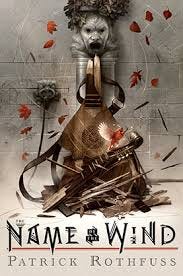
Okay, strap in, folks, because today we’re diving deep into a book that basically took the fantasy world by storm and hasn’t let go since: Patrick Rothfuss’s The Name of the Wind. If you haven’t read it… well, you’re missing out, but also, MASSIVE SPOILER WARNING ahead. Seriously, I’m going into everything because we’re doing a proper deep dive. You’ve been warned!
For those already in the know, grab some cider, settle in, and let’s geek out about Kvothe and his ridiculously eventful life.
Plot Synopsis: The Story So Far (Well, Day One Anyway)
Alright, let’s break down the beast that is the plot of The Name of the Wind. Rothfuss uses a frame narrative, which is key to the whole vibe.
The Frame Story:
Our story actually starts in the present day (well, present-day for the story) at the Waystone Inn, a quiet place in the middle of nowhere run by a unassuming, red-haired innkeeper named Kote. He keeps to himself, seems weary, and there’s a profound silence about him. He’s assisted by his young, slightly too charming student, Bast.
Into this quiet inn walks Chronicler, a famous scribe, who recognizes Kote for who he really is: Kvothe (pronounced kinda like “Quothe”), a figure of legend. Kvothe is known by many epic, and often contradictory, names – Kvothe the Bloodless, Kvothe the Arcane, Kvothe Kingkiller. He’s a man supposed to be dead, a myth.
Chronicler wants the true story. After some initial reluctance and a rather tense confrontation (involving Bast revealing his non-human nature – hello, Fae!), Kvothe agrees. But on his terms: he’ll tell his story, the whole truth, and it will take three days. The Name of the Wind is Day One.
Kvothe’s Story (Day One):
This is where the bulk of the book lives. Kvothe begins at the beginning.
Childhood & the Edema Ruh:
Kvothe grows up among the Edema Ruh, a troupe of highly respected travelling performers (not your average roadside mummers, thank you very much!). His parents are loving and talented – his father, Arliden, a renowned actor and songwriter; his mother, Laurian, sharp-witted and of hidden noble birth. Life is idyllic, filled with music, stories, and learning.
- Key Moment: Introduction to Abenthy, an old arcanist travelling with the troupe. Ben becomes Kvothe’s first real teacher, introducing him to sympathy (a form of magic based on linking objects) and the basics of science and academia. Crucially, Ben also speaks of the true magic: Naming, the power to command things by knowing their deep names. He senses Kvothe’s potential.
- Key Moment: Kvothe’s father begins researching and composing a new song about the Chandrian – mysterious, ancient, and terrifying figures from folklore, often associated with bad omens and destruction.
Tragedy:
The Chandrian are not just folklore. They appear. Kvothe, off in the woods, returns to find his entire troupe brutally murdered, the campsite destroyed, and eerie signs of the Chandrian’s presence (like blue fire and silence). He confronts the Chandrian leader, Haliax, and their associate Cinder. They discuss killing Kvothe but ultimately leave him alive amidst the wreckage of his life.
- Crucial Turning Point: This event defines Kvothe’s life. His primary motivation becomes discovering everything he can about the Chandrian, understanding why they killed his family, and ultimately, seeking revenge. His music, previously his joy, becomes a source of pain, and he puts away his lute.
Tarbean:
Traumatized and alone, Kvothe makes his way to the massive, grimy port city of Tarbean. He spends three years living as a street urchin, begging and stealing to survive. It’s a brutal existence that hardens him. He forgets his music, his past, almost himself, focusing only on survival.
- Key Moment: He hears a storyteller, Skarpi, in a Dockside tavern telling tales of the Creation War, of heroes like Lanre, and crucially, of Lanre’s betrayal and transformation into Haliax, leader of the Chandrian. When Skarpi is arrested by Tehlin priests for heresy, Kvothe speaks Lanre’s name, causing Skarpi to notice him. Skarpi tells Kvothe to seek him out later if he survives, hinting at Kvothe’s potential and reminding him of the University, where answers might be found. This encounter snaps Kvothe out of his stupor.
Journey to the University:
Rekindled with purpose, Kvothe resolves to attend the legendary University. He needs money. He cons his way onto a caravan heading near the University, where he meets Denna for the first time (though she uses a different name). They share a connection during the journey. He eventually sells the book Abenthy gave him (his only link to his past education) to finance his trip.
The University:
Kvothe arrives penniless but bluffs and impresses his way through admissions. Despite his youth (he’s only 15), his obvious brilliance and prior training under Abenthy get him admitted, though he clashes immediately with Master Hemme (Rhetoric) and the wealthy, arrogant student Ambrose Jakis. His tuition is set remarkably low, even granting him a small scholarship due to his poverty and potential, though this is later revealed to be subsidized by some Masters.
- Key Elements: Making friends (the loyal Simmon and the wry Cealdish student Wilem), navigating classes, constant struggles with poverty, learning advanced Sympathy under Master Elxa Dal, clashing with Ambrose repeatedly, working under the gruff but fair Master Artificer Kilvin in the Fishery, and trying (mostly unsuccessfully) to study Naming under the eccentric Master Namer, Elodin.
- Key Conflict: His rivalry with Ambrose leads to Ambrose breaking Kvothe’s newly acquired lute and Kvothe retaliating by unintentionally calling the Name of the Wind, breaking Ambrose’s arm. This results in Kvothe being brought up on charges of malfeasance. He avoids expulsion but is severely whipped (though he uses an herb to mask the pain and bleeding, earning the moniker “Kvothe the Bloodless”) and, crucially, banned from the Archives, the University’s massive library and his primary reason for being there.
Denna:
Kvothe encounters Denna again in Imre, near the University. Their relationship deepens but remains frustratingly ambiguous. She is beautiful, witty, elusive, constantly changing names and appearing with different, often wealthy, male companions or patrons. Kvothe is clearly falling in love, but his poverty and her transient nature keep them apart. She always seems just out of reach.
- Key Dynamic: Their conversations are filled with clever banter, shared moments of vulnerability, and unspoken feelings. She remains a central mystery in his life.
Seeking Answers & The Eolian:
Banned from the Archives, Kvothe seeks information on the Chandrian and the Amyr (a legendary, possibly mythical, group dedicated to justice who opposed the Chandrian in Skarpi’s story) wherever he can. He decides to try and earn his “talent pipes” at the Eolian, a renowned music venue in Imre. Playing well enough there earns musicians silver pipes, signifying talent and granting free room/board at many inns. More importantly for Kvothe, it’s a path to patronage.
- Key Moment: Kvothe performs the notoriously difficult epic “The Lay of Sir Savien Traliard.” During the performance, a string on his lute (likely sabotaged by Ambrose) breaks. In a moment of inspired brilliance, Kvothe finishes the song flawlessly on the remaining strings. Denna (in the audience) provides the missing female vocal part. Kvothe wins his pipes, earns the respect of the Eolian’s owners (Deoch and Stanchion), and receives a generous gift from Count Threpe, securing his finances for a time and gaining a potential patron.
The Mauthen Farm & Draccus:
Following rumors of blue fire and death at a wedding on the Mauthen farmstead (suspiciously near Trebon, where he remembers his family troupe encountered the Chandrian years ago), Kvothe investigates. He runs into Denna there, the sole survivor. They explore the wreckage and discover evidence (decaying wood/iron, blue flame residue) that points towards the Chandrian. They then encounter a massive, black, fire-breathing creature – not a dragon, but a draccus, which Kvothe remembers reading about. It’s drawn to and consumes denner resin (a tree resin that induces euphoria/mania).
- Climax: Realizing the draccus has consumed a large amount of refined denner resin from a nearby secret processing site and is now heading, drug-crazed, towards Trebon during a festival with many bonfires, Kvothe and Denna devise a plan. Kvothe uses sympathy, iron scales from the draccus, and a massive iron wheel from the Tehlin church in Trebon to kill the beast, saving the town but collapsing the church roof on himself in the process. He is found unconscious, hailed as a hero (or possibly a demon-summoner), and his legend grows. Denna, however, disappears again before he wakes.
End of Day One:
Kvothe finishes this part of his story, and the frame narrative returns. Kote, the innkeeper, seems weary from the telling. Chronicler diligently records, and Bast frets over his master’s reawakened pain. The deep silence returns to the Waystone Inn, hinting at the tragedy yet to unfold in the next two days of storytelling.
Character Analysis: The People Who Walk This World
Oh, the characters! Rothfuss doesn’t just create plot devices; these people live.
Kvothe/Kote:
Where to even start? Young Kvothe is a whirlwind – a prodigy touched by genius and tragedy. He’s brilliant, arrogant, driven, fiercely loyal, and capable of deep love and terrifying anger. His skills in music, magic, and general cleverness are off the charts, but his pride, temper, and recklessness are his constant downfall. The shadow of his parents’ murder hangs over everything, fueling his quest for knowledge and revenge against the Chandrian. Kote, the older innkeeper telling the story, is a stark contrast – weary, quiet, seemingly broken, hiding his past. The interplay between the vibrant young hero and the subdued older man is fascinating. Is Kote just Kvothe with the fire banked, or is something more fundamental broken?
Key Traits:
Genius-level intellect, musical virtuoso, innate talent for sympathy & naming, arrogance, fierce temper, deep capacity for love & grief, resourcefulness, haunted by trauma.
Intrigue:
The mystery of how the legendary Kvothe became the quiet Kote is the central hook of the frame story.
Denna:
If Kvothe is fire, Denna is… wind? Water? Something beautiful, essential, and impossible to hold. She’s enigmatic, intelligent, fiercely independent, and carries her own deep, hidden sorrows. Her constant movement, changing names, and mysterious patrons make her a source of endless fascination and frustration for Kvothe (and the reader!). Their relationship is the emotional core of the book – sparkling, witty, tender, yet always dancing around the edges of what it could be. Is she a damsel in distress, a femme fatale, or something else entirely?
Key Traits:
Mysterious past, intelligent, musically gifted (especially her ear), resilient, transient, sharp-witted, beautiful, carries hidden burdens.
Relationship:
Her connection with Kvothe is electric but fraught with missed chances, misunderstandings, and the constraints of their circumstances.
Ambrose Jakis:
Every good hero needs a good villain, and Ambrose fills the role of school rival perfectly. He’s the quintessential aristocratic bully – petty, cruel, entitled, and possessing enough wealth and influence to make Kvothe’s life miserable. He’s not a world-ending threat like the Chandrian, but his constant antagonism provides immediate, tangible conflict and drives much of Kvothe’s University-era plot.
Key Traits:
Wealthy, influential family, arrogant, cruel, petty, vindictive, surprisingly persistent antagonist.
Supporting Cast:
- Bast: Kvothe’s Fae student in the frame story. Utterly loyal, charming, slightly dangerous, and deeply worried about his master’s fading spirit. Provides insight into the Fae world and acts as an audience surrogate, asking questions we want answered.
- Simmon & Wilem: Kvothe’s rocks at the University. Sim is earnest, kind, slightly naive, from minor nobility. Wil is pragmatic, observant, Cealdish (foreign), providing a grounding influence. Their friendship offers Kvothe rare moments of normalcy and support.
- Elodin: The eccentric, possibly mad, Master Namer. He recognizes Kvothe’s potential but refuses to teach him directly, favoring cryptic lessons and frustrating games. He holds keys to the deeper magic Kvothe seeks.
- The Masters: Kilvin (Artificer, gruff, demanding, fair), Hemme (Rhetorician, antagonist), Lorren (Archivist, stoic, intimidating), Arwyl (Physicker, grandfatherly), Elxa Dal (Sympathist, dramatic). Each represents a different facet of the University and reacts to Kvothe differently.
- Abenthy: Kvothe’s first mentor. Kind, knowledgeable, sets Kvothe on the path to the University. Represents the ideal teacher Kvothe searches for later.
Thematic Resonance: What It’s All About
The Name of the Wind isn’t just adventure; it’s packed with ideas that stick with you.
Stories, Songs, and Names:
This is HUGE. The power of narratives, music, and true names is central. Stories shape identity (Kvothe building his own legend), music conveys deep emotion, and knowing the true Name of something (like the wind) grants mastery over it. It explores how legends are made and the truth behind them.
Loss and Grief:
The inciting incident is the brutal loss of Kvothe’s family. This trauma fuels his quest but also leaves deep scars, manifesting in his difficulty connecting with others, his occasional recklessness, and the pain associated with his music.
Knowledge vs. Wisdom:
Kvothe craves knowledge, devouring information at the University. But acquiring knowledge doesn’t automatically grant wisdom or control, as his impulsive use of the Name of the wind shows. Elodin, particularly, embodies this theme – possessing deep knowledge but operating outside conventional wisdom.
Power and Responsibility:
From sympathy to naming to social influence (like Ambrose’s), the book constantly examines the nature of power – how it’s acquired, used, and abused, and the responsibilities that come with it. Kvothe seeks power, but the story constantly asks at what cost.
Poverty and Privilege:
Kvothe’s constant struggle for tuition and basic necessities contrasts sharply with the casual wealth of students like Ambrose. This highlights social inequality and how poverty shapes choices and limits potential, even for someone as gifted as Kvothe.
The Nature of Reality & Perception:
How much of Kvothe’s story is true? How much is performance? The frame narrative invites questions about reliability. Bast’s comments on “seeming and being” and masks becoming reality add another layer.
World-Building Deep Dive: Welcome to Temerant
Rothfuss builds a world that feels lived-in and layered, hinting at depths we only glimpse.
The Four Corners of Civilization:
The primary setting. A vaguely European-inspired world with distinct regions like the Commonwealth, Vintas, Ceald, Modeg, and the Aturan Empire (now fallen but historically significant). The level of detail makes it feel real, from currency to customs.
The University:
A character in itself. Not just a magic school, but a centre of all learning. Its structure (Masters, ranks like E’lir and Re’lar, different schools like the Medica and Fishery), unique locations (the Archives, Mews, Hollows, the Crockery asylum), and financial system (tuition based on admissions performance) are meticulously detailed and integral to the plot.
Magic Systems:
Sympathy:
The most common ‘academic’ magic. It’s based on linking similar objects and transferring energy between them (thaumic energy). Governed by specific laws (Correspondence, Consanguinity, Conservation) and requires intense mental discipline (Alar, the “riding-crop belief”). It feels like a science, logical but difficult.
Naming:
The ‘deep’ magic. Knowing the true Name of something (wind, stone, fire) grants control over it. It’s intuitive, dangerous, connected to the ‘sleeping mind,’ and not fully understood or easily taught. Elodin is the key figure here. It feels ancient and powerful.
Sygaldry:
Essentially ‘magic runes.’ Used in Artificing to create long-lasting sympathetic effects, like ever-burning lamps or bindings. It’s the engineering branch of magic.
History & Lore:
Rothfuss hints at a vast, complex history – the Creation War, the fall of empires (Atur), figures like Lanre and Selitos, the origins of the Chandrian and the Amyr. Much of it is fragmented, known only through potentially unreliable stories and songs, driving Kvothe’s (and our) desire for answers.
Culture & Society:
We see glimpses of different cultures (Edema Ruh traditions, Cealdish merchants, Vintish nobility, Aturan religion centred on Tehlu). Social structures, particularly the divide between nobility and commoners, are important.
Genre Context & Comparisons: Where Does It Fit?
NotW sits firmly in the epic/high fantasy genre but plays with conventions.
Subgenre:
It’s a coming-of-age story wrapped in a biography told via a frame narrative. Strong elements of ‘magic school’ fantasy, but with a grittier, more realistic edge than some.
Prose:
One of its defining features. Rothfuss’s writing is lyrical, often beautiful, focusing on sensory detail and emotional resonance. This sets it apart from more plot-driven fantasy. Some love it, some find it overly ornate.
Tropes:
It uses familiar tropes (orphan hero, magic school, ancient evil, mysterious love interest) but often subverts or deepens them. Kvothe isn’t a simple hero; the magic feels earned and costly; the villains remain enigmatic.
Comparisons:
Harry Potter:
Obvious parallels in the magic school setting, the young protagonist learning his power, the rivalries. But NotW is aimed at an older audience, is darker, more complex thematically, and the magic system is more rigorously defined.
A Wizard of Earthsea (Le Guin):
Shares the concept of ‘true names’ holding power and a more philosophical approach to magic and responsibility. Both feature protagonists whose pride causes problems.
The Lies of Locke Lamora (Lynch):
Similar focus on a highly intelligent, clever protagonist navigating a complex world, often getting by on wit and bravado. Both feature detailed settings and sharp dialogue.
Jonathan Strange & Mr Norrell (Clarke):
Shares a deep focus on the feeling and history of magic within a richly detailed world, with beautiful prose being a key element.
Influences & Inspirations: Echoes in the Story
This is more speculative, but here are some potential vibes:
Storytelling Traditions:
The Edema Ruh and the frame narrative itself heavily emphasize the power and importance of oral storytelling, folklore, and how tales evolve.
Classic Fantasy:
Rothfuss clearly knows the genre well and plays with its established tropes, suggesting an awareness of Tolkien, Le Guin, etc., even as he forges his own path.
Mythology & Folklore:
The deep history, figures like Tehlu, the Fae, the Chandrian – they all have a mythic resonance that could draw from various real-world mythologies or folkloric structures.
Academic Life:
The detailed depiction of the University, its politics, struggles, and eccentricities might draw from real-world university experiences.
Key Takeaways
- Names, stories, and songs have tangible power in this world. They shape reality and identity.
- Kvothe is a flawed genius. His brilliance is matched only by his arrogance and trauma, making him a compelling but complex protagonist.
- Loss is a defining force. The tragedy of Kvothe’s past dictates his future, coloring his actions and relationships.
- Magic is difficult and dangerous. Both Sympathy and Naming require intense discipline and carry significant risks.
- The world is layered and mysterious. Much of the history and the nature of its deepest magics and oldest conflicts remain shrouded in legend.
- Denna is central, yet peripheral. Her relationship with Kvothe is key, but her own story remains largely untold, adding to the world’s enigmatic quality.
- The frame story matters. The contrast between Kote and Kvothe raises questions about truth, memory, and the cost of a legendary life.
Wrapping It Up
Seriously, folks, The Name of the Wind is just plain special. It’s a book that rewards careful reading, that lingers in your mind, and that sparks endless debate and theorizing. Rothfuss created a world I constantly find myself drawn back to, despite the agonizing wait for the conclusion. If you love lyrical prose, deep world-building, a complex hero telling his own (potentially unreliable) story, and a sense of wonder tinged with melancholy, you absolutely need to read this book. Highly, highly recommended! Go on, step into the Waystone Inn. You won’t regret it. (Just maybe don’t expect to leave any time soon.)