The Way of Kings
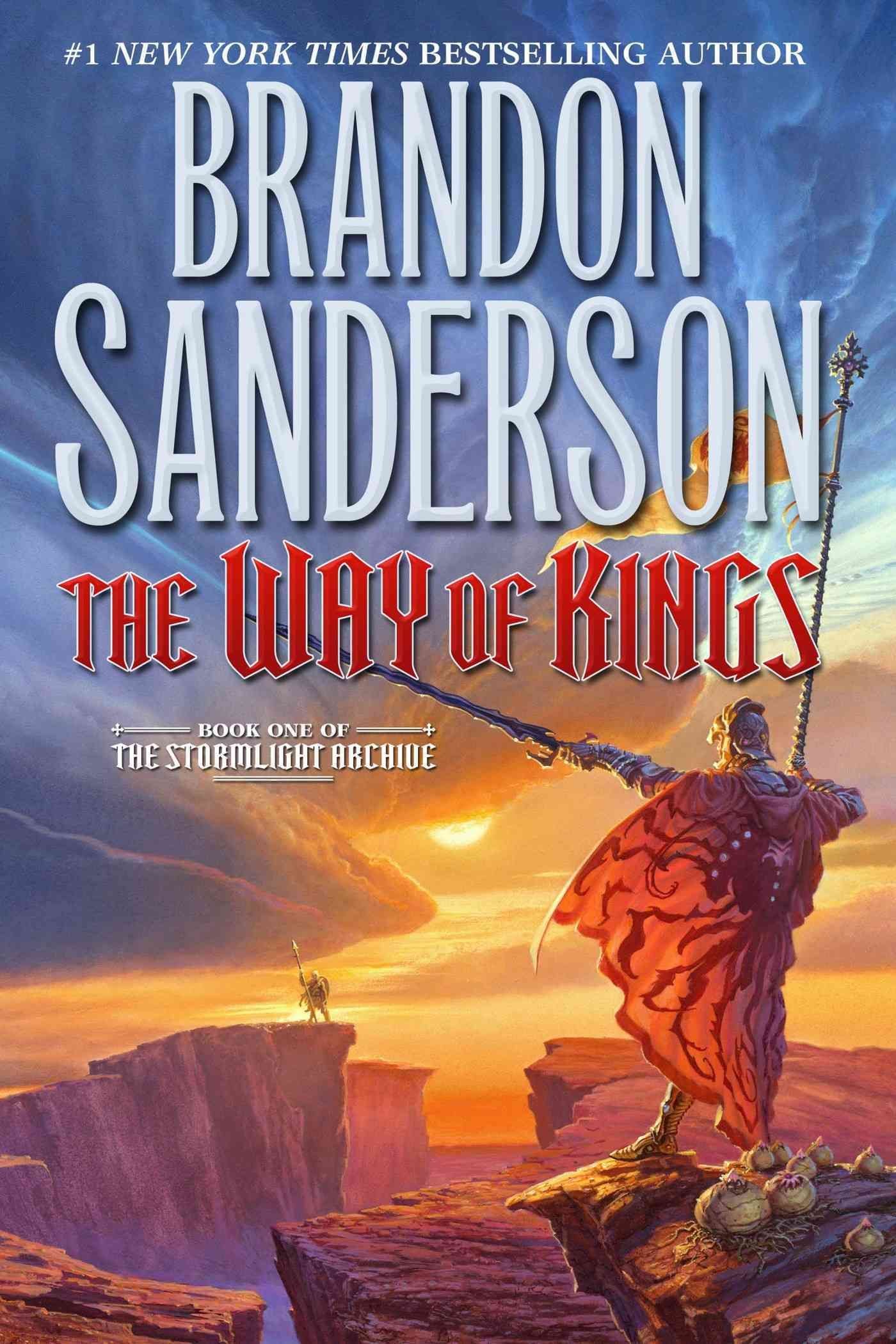
Alright folks, settle in, grab your favorite brew (mine’s a lukewarm coffee that’s been sitting here for an hour, don’t judge!), because we are diving DEEP into a book that’s not just a story, it’s an experience. I’m talking about Brandon Sanderson’s behemoth, The Way of Kings, the first book in The Stormlight Archive. If you haven’t heard of it, you’ve probably been living under a rockbud. And if you have, you know this isn’t just a casual read; it’s a commitment, a journey, and holy Heralds, is it worth it!
So, let’s get our Shardblades sharpened and our Stormlight topped up. This is The Way of Kings: A Blogger’s Deep Dive! ⚔️
Plot Synopsis: Get Ready for an Epic Unraveling!
Okay, buckle up, because summarizing this book is like trying to cram a chasmfiend into a wineskin – it’s gonna take some doing, and there might be a bit of a mess (of spoilers, that is!). You’ve been warned!
The whole saga kicks off with a bang – literally. We meet Szeth-son-son-Vallano, the Assassin in White. This dude is from Shinovar, a land where warriors are the lowest of the low, and he’s “Truthless,” meaning he’s bound by an Oathstone to obey whoever holds it, no matter how vile the command. His current masters, the Parshendi, order him to assassinate King Gavilar Kholin of Alethkar on the very night a peace treaty is signed between their peoples. Szeth, using a Shardblade (a mythical, soul-severing sword) and incredible powers fueled by Stormlight called Lashings (which basically let him play merry hell with gravity), carves his way through Gavilar’s palace. The King, a formidable warrior himself, is ultimately killed. Before he dies, Gavilar gives Szeth a mysterious black sphere and utters cryptic words about finding “the most important words a man can say.” This assassination shatters the fledgling peace and plunges Alethkar into a war of vengeance against the Parshendi on the desolate, chasm-ridden landscape known as the Shattered Plains. Szeth, his task complete and his Oathstone discarded by his fleeing masters, is left to be claimed by new, unsuspecting owners, a cursed weapon in human form.
Fast forward five years, and we meet our primary protagonist, Kaladin. Man, this guy’s life is a tragedy wrapped in an epic. We first see him as a slave, but his backstory is slowly unraveled. He was once a promising surgeon’s apprentice, training under his father, Lirin. His younger brother, Tien, a boy with an infectious optimism Kaladin cherished, gets conscripted into a local lord’s army. Kaladin, desperate to protect Tien, volunteers as well. He quickly proves to be a preternaturally gifted spearman and rises to become a squadleader. But war is cruel.
- Tien’s Death: Despite Kaladin’s efforts, Tien is killed in a pointless battle, thrust to the front lines as fodder. This event breaks something fundamental in Kaladin, fueling a deep-seated hatred for lighteyes (the Alethi ruling class) and instilling a powerful, almost obsessive need to protect those under his command.
- Betrayal by Amaram: Kaladin’s skill grows, and his squad becomes legendary for its low casualty rates. In a pivotal battle, Kaladin and his men manage to defeat an enemy Shardbearer. By rights, the Shardblade and Shardplate should be Kaladin’s. However, Highlord Amaram, the general Kaladin serves and initially respects, betrays him. Amaram murders Kaladin’s surviving men to cover up the truth, steals the Shards for himself, brands Kaladin a deserter and slave, and ships him off. This is the ultimate betrayal for Kaladin, cementing his distrust of lighteyes.
Kaladin’s life as a slave is brutal. He attempts escape countless times, his spirit refusing to be broken, but each attempt ends in failure and harsher punishment. Eventually, he’s sold to Highprince Torol Sadeas’s army, one of the ten Alethi highprinces fighting on the Shattered Plains. Here, he’s thrown into the most dangerous and expendable role: a bridgeman.
Bridge crews are human chattel, forced to carry massive, unwieldy wooden bridges across the chasms under heavy Parshendi arrow fire. They act as mobile cover and a means for the main army to cross. Casualty rates are horrific. Kaladin is assigned to Bridge Four, the crew with the worst luck and highest death toll. Initially, he succumbs to despair, convinced that life is meaningless and death is inevitable.
It’s here he meets (or rather, becomes more aware of) Sylphrena, or Syl, a tiny, curious spren (a spirit-like being that manifests around certain emotions or natural phenomena). Syl is an honorspren, though neither she nor Kaladin understands this at first. She’s drawn to Kaladin’s lingering sense of honor and his struggles. Her presence, initially annoying, becomes a comfort and a catalyst for Kaladin.
- The Decision to Protect: After witnessing the constant, senseless deaths of his fellow bridgemen, particularly a young boy named Cenn who reminded him of Tien, Kaladin makes a conscious decision: he will protect the men of Bridge Four. He will find a way to keep them alive, even if it seems impossible.
- Training and Innovation: Kaladin begins to train his men, instilling discipline and teamwork. He develops new ways to carry the bridge to offer some protection and devises tactics to survive the deadly bridge runs. His leadership inspires loyalty and a flicker of hope in the desolate men.
- Awakening Powers: During this time, Kaladin starts to unconsciously use Stormlight, manifesting incredible endurance, speed, and an uncanny ability to heal. He and Syl’s bond strengthens, and he begins to tap into the powers of the Knights Radiant, though he doesn’t understand what’s happening.
Meanwhile, we’re introduced to Shallan Davar. She’s a young noblewoman from a minor house in Jah Keved. Her family is on the brink of ruin due to her deceased father’s debts and disastrous political maneuvering. Shallan, a gifted artist and budding scholar, concocts a desperate plan: become the ward of the renowned scholar (and infamous heretic) Princess Jasnah Kholin, King Elhokar’s sister, with the secret intent of stealing Jasnah’s Soulcaster – a powerful fabrial that can transform substances. With it, Shallan hopes to restore her family’s fortunes.
Shallan travels to Kharbranth, the City of Bells, a center of learning where Jasnah is researching.
- Wardship and Studies: After a period of proving her intellect and tenacity, Shallan is accepted as Jasnah’s ward. Jasnah is a demanding but fair teacher, and Shallan finds herself drawn to the world of scholarship.
- Jasnah’s Research: Jasnah is deep into a mysterious and dangerous line of research concerning the Voidbringers, ancient enemies of mankind, and the lost city of Urithiru. She believes the common understanding of them is flawed.
- Kabsal and Deception: Shallan befriends Kabsal, a young ardent who shows a romantic interest in her. However, Kabsal is secretly an agent of a shadowy organization (later revealed to be the Ghostbloods) and is attempting to assassinate Jasnah.
- Shallan’s Powers Emerge: During an assassination attempt by Kabsal, where he tries to poison Jasnah (and inadvertently poisons Shallan as well), Jasnah reveals her own formidable Soulcasting abilities, killing some of the attackers. In the chaos, Shallan, near death, unconsciously Soulcasts a goblet into blood. This is a massive shock, as Soulcasting is thought to be possible only through fabrials.
- Shadesmar and Truths: Jasnah saves Shallan using her own Soulcasting abilities. Later, Shallan discovers her ability to enter Shadesmar, the Cognitive Realm, and encounters strange, symbol-headed spren that seem connected to her powers. She confronts Jasnah, revealing she knows Jasnah’s Soulcaster is a fake and that Jasnah Soulcasts inherently. Jasnah, in turn, reveals that the Parshendi are, in fact, the Voidbringers of old, or at least a form of them. Their “slaveform” is the docile parshmen found throughout Roshar. The Ghostbloods (and others) are after this knowledge. Jasnah decides they must travel to the Shattered Plains to learn more.
The third major POV character is Dalinar Kholin, brother to the assassinated King Gavilar and uncle to the current king, Elhokar. Dalinar is a legendary warrior known as the Blackthorn, one of the most respected and feared Highprinces.
- The Codes of War: Since Gavilar’s death, Dalinar has become obsessed with The Way of Kings, an ancient book of philosophy and leadership, and the Alethi Codes of War. He tries to live by them and force his army to do the same, making him unpopular with many other lighteyes who see him as old-fashioned and rigid.
- Visions and Madness: During highstorms, Dalinar experiences vivid visions of the past, featuring the Knights Radiant. He believes these are messages from the Almighty, but those around him, including his sons Adolin and Renarin, fear he’s losing his mind. The visions urge him to “unite them.”
- Political Struggles: Dalinar struggles to maintain unity among the ten squabbling Highprinces on the Shattered Plains. His chief rival is the ambitious and ruthless Highprince Sadeas, once a close friend. Dalinar is also deeply concerned about King Elhokar, who is paranoid, insecure, and a poor leader.
- The Cut Girth: Elhokar becomes convinced someone is trying to assassinate him, citing a cut saddle girth that nearly caused him to fall during a chasmfiend hunt. Dalinar investigates but is unsure if it’s genuine or paranoia. This incident further strains his relationship with Elhokar and provides Sadeas an opening to undermine him.
The climax of the book revolves around the Battle of the Tower. Dalinar, persuaded by Sadeas to attempt a joint assault on a major Parshendi stronghold (the Tower plateau), agrees to a risky plan. Sadeas, feigning cooperation, leads Dalinar and his army into a trap.
- Sadeas’s Betrayal: Once Dalinar’s forces are engaged and committed to the Tower, Sadeas withdraws his entire army and all the bridges, leaving Dalinar’s army surrounded by Parshendi and with no means of escape. It’s a death sentence.
- Kaladin’s Choice: Kaladin and Bridge Four, having been lent to Dalinar for the assault, witness the betrayal. They have a clear chance to escape themselves. However, seeing Dalinar’s army fighting honorably against impossible odds, Kaladin, moved by Syl and his own conscience, makes the agonizing decision to go back and try to save them.
- The Second Ideal: In a moment of extreme duress, as Bridge Four is about to be annihilated by Parshendi archers while trying to place their bridge for Dalinar’s men, Kaladin speaks the Second Ideal of the Knights Radiant: “I will protect those who cannot protect themselves.” He unleashes a massive surge of Stormlight, drawing all the arrows to his shield and saving his men. This act is seen by some of Dalinar’s men.
- Rescue and Aftermath: Kaladin, now glowing with Stormlight, fights his way to Dalinar and Adolin, who are on the verge of being overwhelmed. Bridge Four manages to hold the bridgehead long enough for the remnants of Dalinar’s army to escape.
- Oathbringer’s Price: Back on the staging plateaus, Dalinar confronts Sadeas. To save Kaladin and all the bridgemen from Sadeas’s wrath (and certain death), Dalinar trades his Shardblade, Oathbringer, to Sadeas. This is an almost unheard-of act, a Shardblade being worth more than kingdoms.
- New Beginnings: Dalinar takes Kaladin and the former bridgemen into his own service, offering them freedom and a new purpose. Kaladin is made a captain and tasked with protecting Dalinar and his family.
The book ends with these major threads: Kaladin and Bridge Four are now Kholin soldiers, forever changed by their experiences and Kaladin’s emerging powers. Shallan and Jasnah are en route to the Shattered Plains, armed with dangerous knowledge about the Parshendi/Voidbringers and Shallan’s own burgeoning abilities. Dalinar, having sacrificed his Shardblade, faces an even more hostile political landscape but is more resolute in his path, guided by his visions (which he now suspects are real historical records) and his own moral compass. Szeth, meanwhile, has received a new list of targets from his true, hidden master – King Taravangian of Kharbranth, who is revealed to be a far more complex and sinister figure than anyone suspected, secretly orchestrating chaos for some grand, chilling purpose.
Phew! That’s the whirlwind tour. It’s dense, it’s layered, and every single plot point feels like it’s building towards something massive.
Character Analysis: These Aren’t Your Average Heroes & Villains!
Sanderson is a master at crafting characters you can really sink your teeth into, and The Way of Kings is no exception. These aren’t just archetypes; they’re flawed, struggling, and utterly compelling individuals.
-
Kaladin Stormblessed: Oh, Kaladin. My man. He’s the heart of the storm (pun intended!).
- Arc: From a hopeful youth to a cynical, despairing slave, and then slowly, painfully, into a leader who rediscovers hope and purpose. His journey is about overcoming immense trauma and finding a reason to fight, not just for survival, but for others.
- Motivations: Initially, it’s protecting Tien. After Tien’s death, it’s a simmering rage against injustice and a desperate need to protect any squad he leads, born from guilt. Syl helps him channel this into a more positive, honorable drive.
- Flaws: Kaladin struggles massively with depression and a savior complex. He’s stubborn, prone to bitterness, and his hatred for lighteyes, while understandable, often clouds his judgment. He carries immense guilt.
- Strengths: His loyalty is fierce. He’s an incredibly skilled warrior and a natural leader. His resilience is off the charts, and beneath the cynicism, he has a deep well of compassion.
- Believability: Utterly. His struggles with mental health are portrayed with raw honesty, making him one of the most relatable “chosen one” types in modern fantasy.
- Key Relationships:
- Tien: The ghost that haunts him, the symbol of his failure and the purity he wants to protect.
- Syl: His conscience, his guide, and the source of his burgeoning Radiant powers. Their bond is one of the most endearing parts of the book.
- Bridge Four: They become his new family, the men he pours all his protective instincts into. Teft, Rock, Moash, and Lopen become his core lieutenants, each with their own quirks and loyalties.
- Dalinar: An emerging relationship built on mutual respect and a shared, desperate situation. Kaladin sees a glimmer of the honor he thought lost in lighteyes.
-
Shallan Davar: If Kaladin is the storm, Shallan is the quiet, deceptive current beneath.
- Arc: Starts as a somewhat timid, sheltered young woman forced into a desperate, morally grey mission. Through her studies with Jasnah and the dangers she faces, she begins to discover her own strength, wit, and a rather terrifying power.
- Motivations: Primarily, saving her family from ruin. This drives her to lie, steal, and deceive. She also has a genuine thirst for knowledge and art.
- Flaws: She’s initially naive and insecure, hiding behind a quick wit. She struggles with the morality of her actions and has a deeply buried trauma related to her family that she avoids confronting.
- Strengths: Highly intelligent, a gifted artist with an eidetic memory for visuals, and a surprisingly sharp tongue. She’s resourceful and, when pushed, shows remarkable courage. Her ability to Soulcast is a massive, unknown strength.
- Believability: Yes, especially her internal conflicts and her growth from a somewhat passive character to a more active agent in her own story. Her artistic talents feel very real.
- Key Relationships:
- Her Brothers (Balat, Wikim, Jushu): The driving force behind her mission. Her love for them is palpable, even if their family dynamic is deeply dysfunctional.
- Jasnah Kholin: Mentor, idol, and target. A complex relationship. Jasnah pushes Shallan intellectually and morally, becoming a powerful influence.
- Kabsal: Represents a brief, deceptive romance and a harsh lesson in trust. His betrayal deeply affects her.
-
Dalinar Kholin: The stoic, honorable rock against which the waves of chaos crash.
- Arc: From a feared warlord (the Blackthorn of his youth) to a man wrestling with his conscience, the Codes of War, and visions that might be divine or might be madness. He’s trying to change himself and Alethi society, often against their will.
- Motivations: Honor, duty, the legacy of his brother Gavilar, and a desperate desire to unite Alethkar and prepare it for a coming doom he barely understands. Protecting his sons and nephew is paramount.
- Flaws: His rigidity can make him politically inept. He’s haunted by past actions and his grief for Gavilar. He can be too trusting (as with Sadeas initially) or too quick to judge based on his Codes.
- Strengths: Unwavering integrity (even if it makes him an outcast). Exceptional military strategist and warrior. Deep loyalty and a genuine desire to do what’s right.
- Believability: His internal struggles with his past, his visions, and the burden of leadership make him very human, despite his legendary status.
- Key Relationships:
- Adolin & Renarin: His sons. He loves them deeply but struggles to connect with them in ways they understand, especially Adolin who chafes under his restrictions.
- King Elhokar: His nephew. Dalinar feels a profound duty to protect and guide him, but Elhokar’s paranoia and weakness are a constant source of frustration.
- Sadeas: A friendship shattered by ambition and differing philosophies, culminating in an epic betrayal. Their dynamic is a masterclass in complex rivalries.
- Navani: His brother’s widow, a woman he has complex, long-suppressed feelings for. Their interactions are charged with unspoken history and potential.
-
Szeth-son-son-Vallano: The weeping assassin, a tragic figure bound by a terrible fate.
- Arc: We see him mostly as a tool, but his internal monologue reveals immense suffering and a longing for release. He’s a study in the consequences of absolute obedience and the burden of sin.
- Motivations: Bound by his Oathstone, he has no choice but to obey. His “honor” is to fulfill his punishment.
- Flaws: His Truthless state renders him almost completely without agency, though he hates what he does.
- Strengths: Unparalleled skill with Lashings and his Shardblade.
- Believability: As a concept, he’s terrifyingly effective. His despair feels very real.
- Key Relationships: His “masters” are interchangeable instruments of his suffering, until Taravangian is revealed.
-
Jasnah Kholin: The brilliant, acerbic princess-scholar.
- Arc: We see her primarily as a mentor and a force of nature. She’s already formidable, but her research is clearly leading her (and Shallan) toward world-altering truths.
- Motivations: The pursuit of truth, no matter how uncomfortable. A desire to understand the world and protect it from threats she’s only beginning to uncover.
- Flaws: Can be incredibly aloof, ruthless, and dismissive of those she deems intellectually inferior. Her heresy makes her an outcast.
- Strengths: Piercing intellect, formidable power (Soulcasting), unwavering determination, and a surprising capacity for guidance (with Shallan).
- Believability: Her confidence and intellect are striking. She feels like someone who could genuinely change the world.
- Key Relationships:
- Shallan: A student she takes on, perhaps seeing a kindred spirit or a useful tool. Their relationship is central to Shallan’s development.
- Family (Elhokar, Dalinar): She has a complex relationship with them, marked by both loyalty and a degree of detachment due to her intellectual pursuits and heresy.
These are just the main players! The supporting cast, from the members of Bridge Four like Teft, Rock, Moash, and Lopen (each a gem in their own right) to figures like Adolin Kholin and the ever-slimy Highprince Sadeas, are all well-drawn and contribute significantly to the richness of the narrative.
Thematic Resonance: More Than Just Swords & Sorcery! 🧠
The Way of Kings isn’t just a cool story; it’s grappling with some heavy-duty themes that give it real depth and staying power.
- Honor and Duty: This is HUGE. Dalinar’s whole arc is about rediscovering and adhering to a personal and societal code of honor, even when it’s inconvenient or unpopular. Kaladin struggles with what honor means in a broken world, eventually finding it in protecting his men. Szeth’s story is a dark mirror, showing honor twisted into a tool of suffering.
- Leadership and Responsibility: What makes a good leader? Dalinar believes it’s integrity and self-sacrifice. Sadeas believes it’s pragmatism and power. Elhokar is a study in failed leadership due to insecurity. Kaladin organically becomes a leader through compassion and competence. The book constantly asks what leaders owe their people.
- Slavery and Freedom: Kaladin’s enslavement, the bridgemen’s status as expendable tools, and Szeth’s Truthlessness explore different facets of bondage. Is freedom just physical, or is it a state of mind? Can one be free even when chained?
- Hope and Despair: Kaladin’s battle with depression is a central theme. The book shows how hope can be a powerful force even in the darkest of times, but also how easily it can be crushed. The journey from despair back to hope is a core part of Kaladin’s arc.
- Truth, Lies, and Perception: Shallan’s entire initial motivation is built on a lie. Jasnah seeks hidden truths. Characters constantly deceive themselves and others. The nature of truth and how perception shapes reality are key.
- The Cost of War and Vengeance: The Vengeance Pact drives the Alethi, but the war on the Shattered Plains becomes a bloody stalemate, a “game” for gemhearts. The book questions whether vengeance is worth the endless slaughter and the erosion of morality.
- Brokenness and Healing: So many characters are “broken” – Kaladin by trauma and loss, Dalinar by grief and perhaps visions, Shallan by her family’s secrets. The story is, in many ways, about their attempts to find healing or, at least, a way to function despite their wounds.
- Social Justice and Inequality: The stark divide between lighteyes and darkeyes, the horrific treatment of slaves and bridgemen – these are not just background details but central to the conflicts and motivations of the characters. The system is fundamentally unjust.
Sanderson doesn’t offer easy answers to these themes. He lets his characters wrestle with them, and often their conclusions are hard-won and provisional. It makes the story incredibly thought-provoking.
World-Building Deep Dive: Welcome to Roshar, You Might Get Wet! ⛈️
Sanderson is a world-builder extraordinaire, and Roshar is one of his most fascinating and alien creations. It’s not just a backdrop; the world is a character.
- Roshar – The Planet:
- Highstorms: These are the defining feature. Massive, continent-sweeping storms that blow from east to west with incredible destructive power. All life and civilization have adapted to them. They also bring Stormlight, the primary magical energy source.
- Crem: A silty residue left by highstorms that hardens like ceramic, shaping much of the landscape.
- Flora & Fauna: Unique and often bizarre. Rockbuds that look like stones but contain edible insides, chulls (giant crustaceans used as beasts of burden), skyeels that “swim” through the air, greatshells like the massive chasmfiends, and a plethora of spren. Plants retract into the ground or shells for protection.
- Magic System – Surgebinding & Stormlight: This is classic Sanderson – intricate, rule-based, and visually spectacular.
- Stormlight: A gaseous energy infused into gemstones during highstorms. Humans can draw it in to power abilities, heal, and enhance physical prowess. It leaks out quickly.
- Surgebinding: The manipulation of fundamental forces or “Surges.” Kaladin exhibits powers of Gravitation (Lashings – sticking things to surfaces, changing their “down,” flying) and Adhesion. Jasnah and Shallan use Transformation (Soulcasting).
- Shardblades & Shardplate: Legendary weapons and armor of the lost Knights Radiant. Blades cut through anything inanimate effortlessly and sever the souls of living beings. Plate grants immense strength, speed, and protection. Both are powered by Stormlight via embedded gemstones.
- Soulcasting: The ability to change one substance into another. Mostly done via fabrials (magical devices), but Jasnah and Shallan can do it inherently. Crucial for creating food and resources in the warcamps.
- Spren: Spirit-like beings that are drawn to or embody various emotions, natural phenomena, or concepts (e.g., honorspren like Syl, fearspren, flamespren, gloryspren). Their exact nature is a mystery, but they are deeply connected to the magic.
- Societies and Politics:
- Alethkar: A militaristic kingdom dominated by Vorinism. Divided into ten princedoms, ruled by Highprinces. Obsessed with war, honor (at least in theory), and social hierarchy.
- Vorinism: The dominant religion. Worships the Almighty, reveres the Heralds (ten figures who led mankind against the Voidbringers). Teaches a strict social order based on eye color (lighteyes rule, darkeyes serve) and gender roles (men are warriors/leaders, women are scholars/artists; safehands must be covered). The Recreance, when the Knights Radiant supposedly betrayed humanity, is a key historical/religious event.
- The Shattered Plains: The primary setting for much of the book. A desolate landscape of plateaus separated by deep chasms. Site of the war against the Parshendi. Gemhearts, found in chasmfiends, are a valuable resource that fuels the “war game” aspect of the conflict.
- Shinovar: Szeth’s homeland. Culturally distinct – pacifistic, stone is sacred and not to be walked on by warriors, warriors are the lowest caste. Truthless are exiles forced to obey.
- Kharbranth: The City of Bells. A major center of learning, home to the Palanaeum, one of the greatest libraries on Roshar. Politically neutral.
- Parshendi/Parshmen: The Parshendi are the “wild” parshmen who assassinated Gavilar. They have distinct forms (warform, workform etc.), communicate through rhythmic songs, and have their own culture and connection to the Shattered Plains. Parshmen are the docile, almost mindless “slaveform” found throughout Roshar. Jasnah’s research reveals they are the same species, and likely the Voidbringers of old.
- History: The world is steeped in ancient history, much of it lost or mythologized. The Desolations (cyclical wars against Voidbringers), the Heralds, the Knights Radiant, the Last Desolation, the Recreance – these events cast long shadows. Dalinar’s visions offer glimpses into this past.
The world feels alive. The ecology, the magic, the societies – they all interact and influence each other in complex ways. It’s a setting you can get lost in for thousands of pages, and Sanderson makes every detail count.
Genre Context & Comparisons: Standing Tall in the Epic Fantasy Hall of Fame! 🏆
The Way of Kings plants its banner firmly in the epic/high fantasy subgenre. We’re talking grand scale, a world teetering on the brink, ancient prophecies, magical powers, and a sprawling cast of characters.
- Sanderson’s Cosmere: For those in the know, this is a cornerstone of Sanderson’s Cosmere, his shared fictional universe. While TWoK stands on its own, there are subtle hints and connections for dedicated fans (like Hoid/Wit, and the nature of Shards and investiture, though not explicitly detailed here for a general audience). The “Ars Arcanum” at the end, with its scholarly notes on Essences and fabrials, is a classic Cosmere touch.
- Comparisons to the Greats:
- Robert Jordan’s The Wheel of Time: This is probably the most frequent comparison, and for good reason. The sheer scope, the intricate plotting, the massive cast of characters, and the detailed, rule-based magic system all echo Jordan. Sanderson, of course, completed WoT, and you can see Jordan’s influence in his ambition.
- George R.R. Martin’s A Song of Ice and Fire: While TWoK has its share of political intrigue and brutal realities of war, it’s generally less “grimdark” than Martin. However, the morally complex characters and the way power dynamics shape the world resonate. Sanderson focuses more on hope and heroism, even amidst darkness.
- Steven Erikson’s Malazan Book of the Fallen: If you love Malazan’s immense scale, deep history, and military focus, TWoK will scratch a similar itch. However, Sanderson’s prose and plotting are generally considered more accessible than Erikson’s demanding style.
- Originality vs. Tropes:
- Originality: Sanderson shines in his unique magic system (Stormlight, Lashings, the different Surges are unlike much else out there) and the truly alien world of Roshar. The highstorms as a central world feature are incredibly inventive. The social structures, particularly the lighteyes/darkeyes divide and Vorin customs like the safehand, feel fresh.
- Tropes: It does utilize some familiar fantasy tropes: the farmboy-turned-hero (Kaladin, though his journey is far from typical), ancient evils returning, a fallen order of knights. However, Sanderson is known for taking these tropes and either subverting them or exploring them with such depth and nuance that they feel new again. Kaladin isn’t a simple “chosen one”; he’s a deeply traumatized individual struggling with depression. The Knights Radiant aren’t just legendary heroes; their past is complicated and their legacy debated.
The Way of Kings isn’t just another fantasy epic; it feels like a foundational work for a new generation of the genre, much like The Lord of the Rings or The Wheel of Time were for theirs. It’s ambitious, it’s fresh, and it sets a high bar.
Influences & Inspirations: Where Did This Epicness Come From? 🤔
Speculating on influences is always a bit of a guessing game, but here are a few thoughts on what might have percolated in Sanderson’s mind:
- Classic Epic Fantasy: You can’t write epic fantasy without being influenced by Tolkien, Jordan, Eddings, Le Guin, etc. The grand scope, the good-versus-evil struggles (albeit nuanced), and the sense of a world with deep history all nod to the masters.
- Personal Philosophy/Theology: Sanderson is a member of the LDS Church, and while his books are not allegorical, themes of faith, morality, redemption, sacrifice, and the nature of divinity are often explored with depth. Dalinar’s spiritual journey and Kaladin’s search for meaning and honor could be seen through this lens.
- Military History & Strategy: The detailed descriptions of Alethi army life, tactics on the Shattered Plains, and the different fighting styles suggest a keen interest in military matters. The focus on logistics (Soulcasting food, bridge deployment) also adds a layer of realism often missing in fantasy.
- Psychology: Kaladin’s very real struggle with depression and PTSD is a standout element. Sanderson has spoken about researching these topics to portray them authentically, lending a powerful human element to the epic scale.
- Unique Ecosystems & Geology: The creation of Roshar, with its highstorms, crem, and symbiotic flora/fauna, feels like it comes from a mind that enjoys thinking about how truly alien worlds might function. It’s not just Earth with different names.
- Manga/Anime (Potentially): Some readers have noted that the dynamic, almost cinematic action sequences, particularly with Shardbearers and Surgebinding, and the way characters “power up” with Stormlight, can have a feel reminiscent of certain manga or anime. This is more a stylistic observation than a direct literary influence, but it adds to the distinct flavor of Sanderson’s action.
- Philosophical Thought: The in-world text The Way of Kings that Dalinar studies, and the discussions around morality, leadership, and societal structure, hint at an engagement with broader philosophical ideas about ethics and governance.
Ultimately, Sanderson synthesizes these potential influences into something uniquely his own. He’s a storyteller who clearly loves the genre but isn’t afraid to innovate and push its boundaries.
Key Takeaways 📝
Alright, if you’re going to remember just a few things about The Way of Kings, let it be these:
- Honor isn’t just a word, it’s a struggle: Characters constantly grapple with what it means to be honorable in a world that often rewards the ruthless.
- The magic is awesome and makes (its own) sense: Stormlight, Shardblades, Lashings – it’s a system you can geek out on, and it has real consequences in the world.
- Roshar is a character in itself: The highstorms and unique ecology aren’t just window dressing; they shape everything.
- Broken people can be the strongest: The main characters are deeply flawed and carry heavy burdens, making their journeys toward heroism all the more compelling.
- Betrayal cuts deeper than any Shardblade: The political and personal betrayals are gut-wrenching and drive much of the plot.
- History haunts the present: The legacy of the Heralds, the Recreance, and the Voidbringers are not just ancient lore; they are active forces shaping current events.
- There’s always another secret: Sanderson is the king of foreshadowing and intricate plotting. Just when you think you have a handle on things, another layer is revealed.
Wrapping It Up 🎉
Phew! We made it, folks! The Way of Kings is, without a doubt, a monumental achievement in epic fantasy. It’s a book that demands your attention and rewards it tenfold with a richly imagined world, characters who feel achingly real, and a plot that will keep you guessing, gasping, and occasionally weeping into your ale (or coffee).
Is it a long read? Absolutely. Is it worth every single page? Hells yes! If you’re a fan of epic fantasy with intricate magic systems, deep world-building, and characters you’ll carry with you long after you’ve finished, then you OWE it to yourself to pick up The Way of Kings.
Sanderson has laid the groundwork for something truly special with The Stormlight Archive, and this first installment is a powerful, unforgettable opening salvo.
Until next time, may your Stormlight always be infused!