The Wise Man's Fear
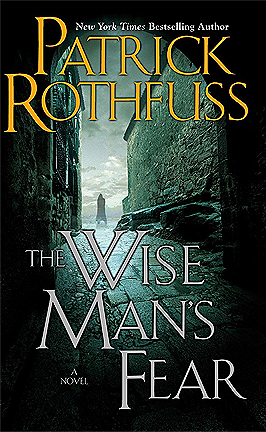
Hey everyone, and welcome back to the Fandom Forge! Today, we’re diving deep—and I mean deep—into a book that’s a titan in modern fantasy: Patrick Rothfuss’s “The Wise Man’s Fear,” book two of The Kingkiller Chronicle. Grab your favorite brew (apple and elderberry, perhaps?), settle in, and let’s unpack this massive tome. This is going to be a spoiler-filled journey, so if you haven’t read it yet, consider this your fair warning! You’ve been warned!
Plot Synopsis: Kvothe’s Epic (and Often Messy) Journey Continues
Alright, buckle up, because “The Wise Man’s Fear” is a sprawling beast of a story, picking up right where “The Name of the Wind” left off. Kvothe is still at the University, narrating his life story to Chronicler, with his ever-loyal (and slightly exasperated) Fae assistant Bast listening in. The frame story continues its slow burn, hinting at a darker present, but the bulk of the book is Kvothe’s past.
The story kicks off with Kvothe continuing his studies and his never-ending quest for knowledge about the Chandrian, those shadowy figures who murdered his family. He’s still brilliant, still arrogant, and still perpetually broke. His rivalry with Ambrose Jakis, the rich, entitled noble, escalates. After Ambrose breaks Kvothe’s lute (a sacrilege!), Kvothe retaliates with a scathing song. This public humiliation, however, leads to Ambrose using his influence to make Kvothe’s life even harder, particularly by blocking any potential patronage.
- University Life: Kvothe juggles classes in sympathy, sygaldry, medicine, and naming (under the eccentric Master Elodin). He’s still a whiz kid, but his temper and poverty are constant hurdles.
- Ambrose Shenanigans: Their feud is a major driver. Ambrose gets Kvothe whipped after a confrontation where Kvothe calls the wind. Later, Ambrose tries to poison Kvothe with a plum bob, an alchemical concoction that strips away inhibitions. This leads to a hilarious and terrifying period where Kvothe has to rely on his friends Simmon and Wilem to keep him from, say, killing Ambrose or propositioning Fela (which he does anyway).
- Money Woes: Kvothe is constantly scrambling for tuition. He works in the Artificery, creating devices like the “Bloodless” (an arrow-stopping mechanism), but also takes dangerous risks, like working with volatile alchemical compounds, just to make ends. He even borrows money from Devi, a sharp and dangerous moneylender, using drops of his blood as collateral – a decision that haunts him.
Denna, Kvothe’s enigmatic love interest, continues to drift in and out of his life. Their relationship is a frustrating dance of near-misses and unspoken feelings. She’s always with a new, usually wealthy, patron, and Kvothe struggles with his jealousy and his inability to provide for her or even understand her.
- Denna’s Dance: Her mysterious patrons and her reluctance to settle down are a constant source of pain and confusion for Kvothe. He tries to help her with her music, even though her patron is teaching her a song about Lanre that Kvothe finds deeply disturbing and factually wrong.
The narrative takes a significant turn when Kvothe, after a series of unfortunate events (including being falsely accused of consorting with demons thanks to Ambrose’s machinations), is encouraged by his friends and mentors to leave the University for a term. Count Threpe, a nobleman who appreciates Kvothe’s musical talent, secures him an opportunity: to travel to the distant land of Vintas and seek service with Maer Alveron, a powerful and influential noble.
- Journey to Vintas: This journey itself is fraught with peril. Kvothe’s ship is wrecked in a storm, he faces pirates, and is left penniless in Junpui. He has to beg, steal, and use his wits to survive before finally making his way to Severen, the Maer’s seat of power.
In Severen, Kvothe’s sharp mind and Edema Ruh charm eventually win him a place in the Maer’s service. The Maer is a cunning but ailing ruler, and Kvothe’s initial task is to help him woo the Lady Meluan Lackless, the only suitable bride who can secure the Maer’s line and is not under the King of Vintas’s control.
- Courtly Intrigue: Kvothe navigates the treacherous waters of Vintish court politics. He writes letters and songs for the Maer, slowly winning Meluan’s affection for his master. He also befriends Bredon, an older, enigmatic nobleman who teaches him tak, a complex strategy game.
- Uncovering Poison: Kvothe discovers that the Maer is being slowly poisoned by his own arcanist, Caudicus. With Stapes, the Maer’s loyal manservant (initially suspicious of Kvothe), Kvothe uncovers the plot, saves the Maer’s life, and earns his deep gratitude. However, this also makes him an enemy of Caudicus who escapes.
The Maer, pleased with Kvothe’s service, then tasks him with a dangerous mission: to hunt down a group of bandits who have been plaguing the king’s roads and stealing tax revenue. Kvothe is put in charge of a small group of mercenaries, including Dedan, Hespe, Marten, and an Adem mercenary named Tempi.
- Bandit Hunting in the Eld: The journey into the Eld forest is challenging. Kvothe struggles to lead the group, facing internal conflicts and the harsh realities of the wilderness. During a climactic confrontation with the bandits, whose leader Kvothe later realizes was Cinder (one of the Chandrian), Kvothe unleashes a devastating display of power, calling down lightning that decimates the bandit camp. This event further solidifies his growing, and often terrifying, reputation.
After the bandit hunt, Kvothe is separated from his companions and stumbles into the Fae realm, where he encounters Felurian, the legendary Fae creature of desire, whom no mortal man can resist or survive.
- The Fae Realm & Felurian: Kvothe spends an indeterminate amount of time with Felurian. She teaches him much about love and pleasure, but he also manages to best her in a contest of wills by calling her true name (or a part of it), a feat unheard of. This encounter changes him profoundly. Felurian crafts him a shaed, a cloak made of shadow and moonlight, before allowing him to leave.
- The Cthaeh: Before leaving the Fae, Kvothe makes a critical mistake: he speaks to the Cthaeh. The Cthaeh is an ancient, malevolent entity bound to a tree, which sees all possible futures and speaks only to cause the greatest possible harm and suffering. It reveals devastating “truths” to Kvothe: about the Chandrian, about Denna being abused by her patron (who the Cthaeh implies is Cinder, using an alias like Master Ash), and about the Amyr. This conversation plants seeds of despair and influences Kvothe’s future actions in tragic ways. The Cthaeh also tells him that the Maer is close to finding the Amyr.
Kvothe eventually returns to the mortal world, finding that less time has passed than he feared (though still a significant amount). He rejoins his mercenary companions, who had given him up for dead. His tales of Felurian, and his newly acquired shaed, further enhance his legendary status.
He then accompanies Tempi to Ademre, the remote homeland of the Adem mercenaries. The Adem are a unique culture built around a philosophy called the Lethani (a concept of right action and living) and the Ketan, their martial art.
- Training with the Adem: Kvothe, considered a barbarian, must prove himself. He learns the Adem language (which includes intricate hand gestures conveying emotion), their customs, and begins rigorous training in the Ketan under Vashet. He learns about their history, their societal structure, and their deep respect for the Lethani. He is eventually tested and given an Adem name, Maedre (meaning Flame, Thunder, or Broken Tree), and a sword of ancient lineage, Saicere (which he mentally renames Caesura). He also learns a crucial story from Shehyn, the school’s leader, listing the true names and signs of the seven Chandrian.
Finally, Kvothe returns to the University. He is older, changed by his experiences in Vintas, the Fae, and Ademre. He has money from the Maer (a letter of credit for tuition and a reward that he cleverly inflates by negotiating with the bursar), a legendary sword, a faerie cloak, and a wealth of new knowledge and scars. The book ends with Kvothe back at the University, the frame story briefly touching upon his current, more somber state as Kote the innkeeper, hinting that the glory days are indeed over, and the tragedy is yet to fully unfold.
- Return to the University: The tales of his exploits have preceded him, solidifying his legendary status. He navigates his re-entry, deals with Ambrose’s continued animosity, and uses his newfound wealth. The book closes as Kvothe finishes narrating the second day of his story to Chronicler.
The final epilogue mirrors the prologue, emphasizing the deep, waiting silence of the Waystone Inn and of Kote himself, a man waiting to die. This ominous ending leaves readers desperate for the third book, “The Doors of Stone.”
Character Analysis: Kvothe and His Orbit
Oh man, the characters in this book! Rothfuss doesn’t just write characters; he crafts people you feel like you know, flaws and all.
-
Kvothe (Kote/Maedre/Reshi): Our protagonist is still the brilliant, arrogant, and often reckless young man we met in the first book, but “Wise Man’s Fear” sees him mature, albeit painfully.
- Strengths: Incredible intellect, a preternatural talent for music and magic (especially naming), fierce loyalty, and surprising resilience. His time with the Adem hones his physical discipline, and his encounter with Felurian… well, it expands his horizons.
- Flaws: His pride is still his biggest downfall. His temper gets him into constant trouble (hello, Ambrose!). He’s emotionally stunted when it comes to Denna, often misreading situations or saying the wrong thing. He’s also impulsive and can be incredibly selfish in his pursuit of knowledge or revenge. The Cthaeh’s words prey on his existing fears and anger, pushing him down darker paths.
- Arc: Kvothe gains a lot of power and experience in this book – new skills from the Adem, intimate knowledge from Felurian, a powerful patron in the Maer. But each gain comes at a cost, often chipping away at his innocence or burdening him with terrible knowledge. He’s becoming more capable but also more isolated and, dare I say, more dangerous. The sheer weight of his secrets and the Cthaeh’s influence is palpable by the end.
-
Denna: Still the ultimate enigma. She’s fiercely independent, intelligent, and beautiful, but also deeply scarred and secretive.
- Motivations: Her primary motivation seems to be survival and a desperate search for freedom and security, often leading her to questionable patrons. Her song about Lanre, which her patron Master Ash is helping her write, is a major point of contention with Kvothe, as it presents Lanre as a tragic hero, contradicting everything Kvothe believes about the Chandrian.
- Relationship with Kvothe: It’s a beautifully frustrating dance. They clearly care for each other, but their timing is always off, and they constantly misunderstand each other. Kvothe’s inability to be fully honest with her (about the Chandrian, about his feelings) and her own secretive nature create a chasm between them. The Cthaeh’s revelation that her patron beats her is a gut punch for both Kvothe and the reader.
-
Bast: In the frame story, Bast is Kvothe’s loyal Fae student, desperately trying to rouse his master from his melancholic stupor. He’s charming, a bit mischievous, and fiercely protective of Kvothe. His horrified reaction to Kvothe’s encounter with the Cthaeh reveals just how dangerous that entity is, even within Fae lore.
-
Master Elodin: The Naming master is still delightfully unhinged, or perhaps profoundly wise in a way that looks like madness. His teaching methods are unorthodox (to say the least!), but he genuinely seems to see Kvothe’s potential. His lessons often involve bizarre tasks designed to break down conventional thinking and open the mind to the “sleeping mind” where names reside.
-
Maer Alveron: A powerful and intelligent ruler, the Maer is initially a stepping stone for Kvothe, but their relationship evolves. He’s old blood, burdened by illness and the need for an heir. He values Kvothe’s wit and skills but is also a product of his class, capable of ruthless decisions. His trust in Kvothe is hard-won and, ultimately, fragile when confronted with Kvothe’s true heritage.
-
Tempi: The Adem mercenary is a fantastic addition. Initially a stoic, almost emotionless figure, he slowly opens up as Kvothe learns his language and customs. He embodies the Adem’s discipline and the principles of the Lethani. His quiet dignity and dedication to teaching Kvothe, despite the personal risk, make him incredibly endearing.
-
Felurian: More than just a faerie seductress, Felurian is ancient, powerful, and possesses her own kind of wisdom. She’s a creature of pure desire and nature, operating outside mortal morality. Her relationship with Kvothe is transformative for him, teaching him not just about pleasure but also about the nature of the Fae and a different kind of magic (grammarie and glamourie).
These characters, and many others like Stapes, Bredon, Wilem, Simmon, and Fela, are richly drawn and feel incredibly real. Their interactions and relationships are the lifeblood of this story.
Thematic Resonance: More Than Just Magic and Adventure
“The Wise Man’s Fear” isn’t just an adventure story; it’s packed with themes that make you think.
- The Nature and Power of Stories: This is HUGE. Kvothe is literally telling his story. Denna is crafting a song that reshapes a foundational myth. The Adem have their nine-and-ninety tales. The book constantly plays with how stories shape perception, history, and identity. Are stories truth, or a version of it? How much power does a well-told tale hold?
- Love and Loss: Kvothe’s unrequited (or at least, unfulfilled) love for Denna is a central ache. His past loss of his family fuels his quest for the Chandrian. The book explores different kinds of love – romantic, platonic, familial – and the pain that often accompanies them.
- Identity and Names: Kvothe has many names (Kote, Maedre, Reshi, Kvothe the Bloodless, Kvothe the Arcane). Denna changes her name constantly. The power of true names is a core magical concept. The book delves into how names (and reputations) define us, and how we can be trapped or liberated by them.
- The Cost of Knowledge and Power: Kvothe’s relentless pursuit of knowledge about the Chandrian and his growing magical power come with significant consequences. His encounter with the Cthaeh is the ultimate example – gaining terrible knowledge that poisons his future. The book suggests that some doors are best left unopened.
- Justice vs. Vengeance: Kvothe’s quest for the Chandrian is driven by a desire for vengeance. The Amyr, whom he seeks, are supposedly agents of a higher justice. The book blurs the lines between these two concepts.
- Trust and Betrayal: Kvothe struggles with who to trust. His secrets isolate him. Betrayal is a recurring motif, from Lanre’s ancient betrayal to the Maer’s arcanist, Caudicus, and even Kvothe’s own moments of misjudgment.
These themes are woven throughout the narrative, adding layers of depth and making Kvothe’s journey much more than a simple heroic quest.
World-Building Deep Dive: A Richly Textured Universe
Rothfuss excels at world-building, creating a world that feels ancient, complex, and lived-in.
- The University & Imre: We get a deeper look into the University’s structure, its various masters, and the rigorous (and often dangerous) nature of its studies. Imre, the nearby town, serves as a contrast – a place of music, pleasure, and commerce, but also its own dangers.
* Magic Systems:
- Sympathy: The science of connecting objects and transferring energy. Still a primary tool for Kvothe.
- Sygaldry: The art of creating permanent magical effects using runes. Kvothe uses this in the Artificery.
- Naming: The most potent and elusive magic. Knowing the true name of something grants power over it. Elodin’s “lessons” are all about awakening the “sleeping mind” to perceive these names. Kvothe calls the wind and Felurian’s name.
- Alchemy: Less explored by Kvothe directly, but its dangers (like the plum bob) are evident.
- Vintas & Severen: A land of old nobility, strict social hierarchies, and intricate court politics. The Maer’s estate is a world of its own, with its own rules and dangers. The concept of “plenary powers” held by nobles like Alveron hints at a complex political history. The currency (nobles, bits, jots, drabs) and social customs (like the sending of rings) add texture.
- The Fae Realm: Not a whimsical place of dancing sprites. The Fae is alien, beautiful, and deadly. Time moves differently, and its inhabitants, like Felurian, operate on principles foreign to mortals. We learn about grammarie (making things be) and glamourie (making things seem). The Cthaeh’s tree is a terrifying landmark, a source of pure malice.
- Ademre: A stark, remote land inhabited by the disciplined Adem. Their culture is built around the Lethani, a philosophy of “right action” that permeates every aspect of their lives, especially their martial art, the Ketan. Their unique language, which uses hand gestures to convey emotion (as facial expressions are considered vulgar), is fascinating. Their societal structure, reverence for their history (the Atas of their swords), and their views on “barbarians” provide a rich cultural contrast.
The world feels vast and ancient, with hints of forgotten histories, lost magics, and looming conflicts. Every place Kvothe visits has its own distinct feel and set of rules, making his journey incredibly immersive.
Genre Context & Comparisons: Standing Tall in the Fantasy Field
“The Wise Man’s Fear” firmly plants itself in the epic/high fantasy genre, but with some distinctive Rothfuss flair.
- Bildungsroman Structure: Like “The Name of the Wind,” this is very much a story about Kvothe’s growth and education (in many senses of the word!). It shares DNA with classic coming-of-age stories, but with a much darker, more complex protagonist.
- Lyrical Prose: Rothfuss’s writing is often praised for its beauty and musicality, which is fitting given Kvothe’s own talents. This sets it apart from some of the more utilitarian prose found in other epic fantasies.
- Narrative Framing: The story-within-a-story framework is still a key element. The contrast between the vibrant, often reckless young Kvothe of the past and the broken, world-weary Kote of the present creates a compelling tension and a sense of impending tragedy.
- Comparisons:
- Ursula K. Le Guin’s Earthsea Cycle: There are echoes of Ged’s journey and the importance of names and balance in Le Guin’s work. Both feature protagonists who are prodigiously talented but must learn the responsibilities that come with power.
- Robin Hobb’s Farseer Trilogy: The focus on a single, deeply introspective protagonist navigating a complex world, dealing with loss, and making difficult choices resonates with FitzChivalry Farseer’s story.
- Traditional Epic Fantasy (e.g., Tolkien, Jordan): While it has the epic scope and detailed world-building of these classics, Rothfuss’s focus is much more personal and character-driven. The “save the world” plot is there, but it’s deeply intertwined with Kvothe’s personal tragedies and quests.
The book plays with established fantasy tropes (the gifted orphan, the wise/eccentric mentor, the mysterious love interest) but often subverts them or adds unique twists. The magic systems, particularly Naming, feel fresh and thoughtfully constructed.
Influences & Inspirations: Echoes in the Text
Speculating on influences is always a bit tricky, but here are a few potential currents I see:
- Folklore and Mythology: The Fae realm, Felurian, and the Cthaeh draw heavily from ancient European folklore about faeries – beautiful, dangerous, and operating by alien rules. The concept of true names having power is also a common mythological motif.
- Theater and Performance: Kvothe’s Edema Ruh heritage and his own skills as a performer are central. The emphasis on storytelling, the power of song, and even the way Kvothe sometimes seems to be “playing a part” (especially in Vintas) suggests an appreciation for the theatrical.
- Philosophy and Linguistics: The exploration of language, names, and the nature of truth (especially with Elodin and the Adem) hints at a philosophical underpinning. The Adem hand-language, for instance, is a fascinating thought experiment on communication and culture.
- Music: This is an obvious one. Music isn’t just a backdrop; it’s a character, a magic system, and a core part of Kvothe’s identity. The reverence for Illien and the detailed descriptions of musical performance suggest a deep love and understanding of music from the author.
- Tragedy: The framing story makes it clear that Kvothe’s tale is, ultimately, a tragedy. There are echoes of classic tragic heroes – gifted individuals whose flaws or circumstances lead to their downfall.
It feels like Rothfuss has taken a deep dive into the well of human storytelling traditions and emerged with something that feels both timeless and uniquely his own.
Key Takeaways
If you’re walking away from “The Wise Man’s Fear,” here are a few big ideas to chew on:
- The Power of Names and Stories: They aren’t just words; they shape reality, identity, and history.
- Knowledge Has a Price: Seeking forbidden knowledge or ultimate truths can lead to devastating consequences (looking at you, Cthaeh).
- Love is Complicated and Often Painful: Especially when miscommunication, secrets, and external pressures are involved (Kvothe and Denna are exhibit A).
- Identity is Fluid: Who we are can be shaped by our experiences, the names we’re given, and the stories told about us.
- The Line Between Hero and Monster Can Be Thin: Kvothe’s actions, even when “justified,” often have brutal consequences, blurring traditional notions of heroism.
- Secrets Create Walls: Kvothe’s inability to share his deepest truths isolates him, even from those he cares about.
- The Past Haunts the Present: The ancient history of the Chandrian and the Amyr, and Kvothe’s personal past, are inescapable forces shaping his destiny.
Wrapping It Up
Phew! “The Wise Man’s Fear” is an absolute journey. It’s a book that expands on everything that made “The Name of the Wind” great – deeper lore, more complex characters, higher stakes, and even more beautiful prose. Kvothe’s story takes him to incredible new places, from the glittering courts of Vintas to the terrifying beauty of the Fae and the stark discipline of Ademre. Each experience shapes him, adding new layers to his already complex personality and his growing legend.
Yes, it’s a chunky book, and yes, the wait for the third one is the stuff of fantasy legend itself. But the richness of the world, the depth of the characters, and the sheer artistry of Rothfuss’s storytelling make it an unforgettable read. It’s a book that will make you laugh, gasp, ache, and think – often all at the same time. If you love epic fantasy that’s as intelligent as it is adventurous, and you’re prepared for a story that doesn’t shy away from the darker corners of its hero’s heart, then “The Wise Man’s Fear” is an absolute must-read. It’s a masterpiece of the genre, plain and simple.
Now, if you’ll excuse me, I’m off to reread it for the fifth time while I anxiously await “The Doors of Stone”! What were your favorite parts or biggest frustrations with “The Wise Man’s Fear”? Let me know in the comments below!